Complete Guide to Cat Care in 2026: Everything New Cat Owners Need to Know
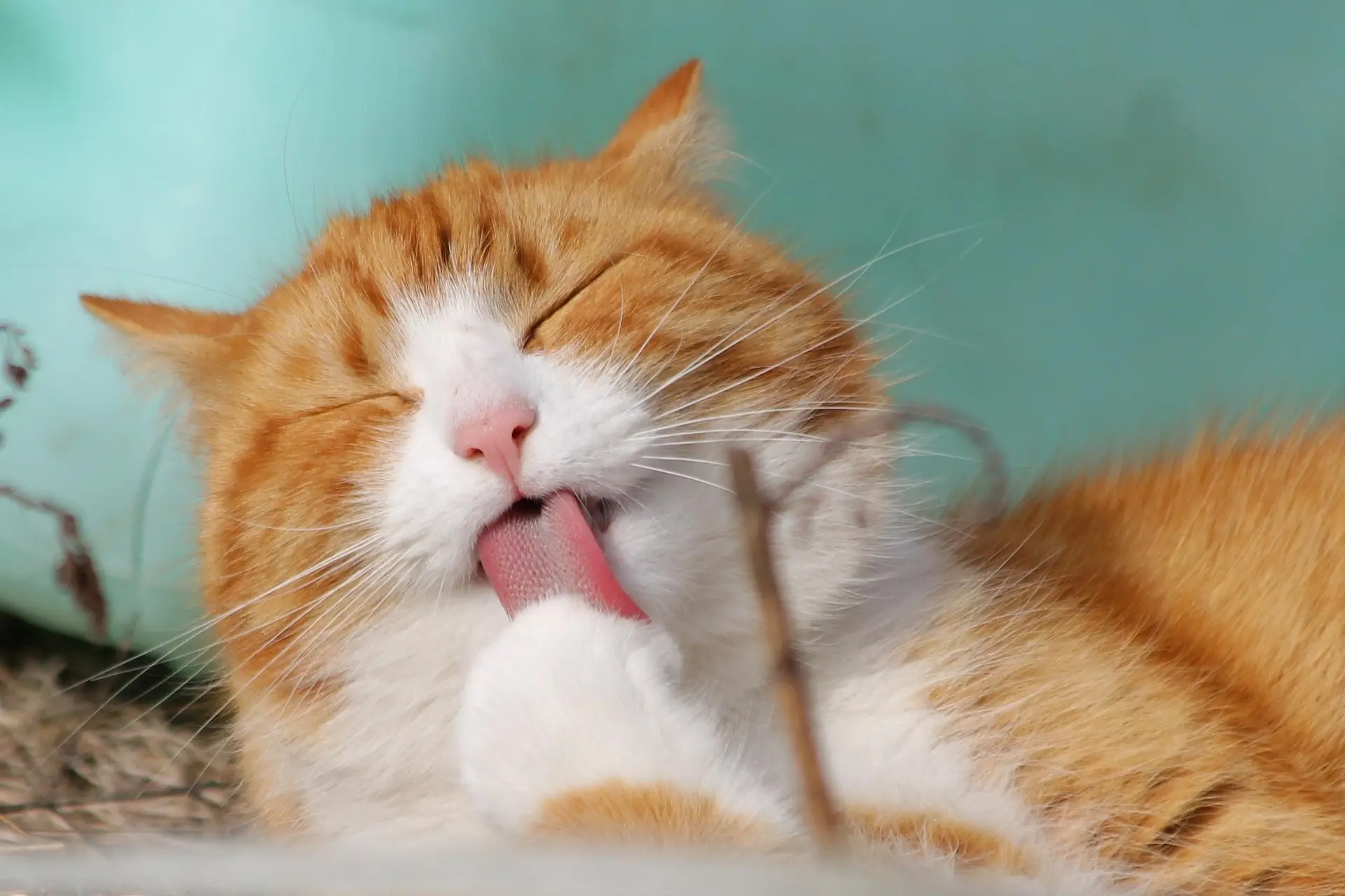
Discover the ultimate guide to cat care in 2026. Learn about feeding, grooming, health care, behavior training, and creating the perfect environment for your feline companion.
Complete Guide to Cat Care in 2026: Everything New Cat Owners Need to Know
Welcoming a cat into your home marks the beginning of a wonderful journey filled with purrs, playful moments, and unconditional companionship. Whether you're a first-time cat owner or adding another feline friend to your family, understanding modern cat care practices is crucial for your pet's wellbeing. As we navigate through 2026, veterinary science and feline behavior research have given us deeper insights into what cats truly need to thrive.
This comprehensive cat care guide covers everything from nutrition and health maintenance to creating an enriching environment that keeps your cat happy and engaged. By the time you finish reading, you'll have the knowledge and confidence to provide exceptional care for your feline companion.
Understanding Your Cat's Basic Needs in 2026
Cats have evolved as solitary hunters with specific biological and psychological needs that set them apart from other companion animals. As obligate carnivores, their entire digestive system is designed to process meat-based proteins efficiently. This fundamental difference affects everything from their dietary requirements to their behavior patterns.
Modern cat care in 2026 recognizes that while cats are independent by nature, they still form strong emotional bonds with their human families. They need daily interaction, mental stimulation, and a sense of security in their environment. Understanding these needs helps you create a living situation where your cat can express natural behaviors while staying safe and healthy.
The five pillars of excellent cat care include proper nutrition tailored to their carnivorous nature, preventive veterinary care that catches issues early, environmental enrichment that prevents boredom, safe spaces where they feel secure, and understanding feline communication to build trust. Each pillar supports the others, creating a comprehensive approach to cat wellness that addresses both physical and emotional health.
Nutrition: The Foundation of Cat Health and Longevity
Proper cat nutrition forms the cornerstone of your pet's overall health and quality of life. In 2026, nutritional science has advanced significantly, giving us clear guidelines on what constitutes an optimal feline diet. Your cat's food choices directly impact their energy levels, coat quality, immune function, and long-term health outcomes.
Choosing High-Quality Cat Food for Optimal Health
When you're standing in the pet food aisle, the sheer number of options can feel overwhelming. The key is learning to read ingredient labels effectively. Look for foods where real, named meat proteins appear as the first two or three ingredients—chicken, turkey, salmon, or beef are excellent choices. These whole protein sources provide the amino acids cats need for muscle maintenance, organ function, and overall vitality.
Avoid products heavily reliant on plant-based fillers like corn, wheat, soy, or rice gluten. While these ingredients reduce manufacturing costs, they offer minimal nutritional value to obligate carnivores. Some cats also develop sensitivities to these fillers, leading to digestive upset, skin issues, or chronic inflammation.
Life stage nutrition matters tremendously. Kittens under one year need calorie-dense formulas rich in protein and fat to fuel their rapid growth and boundless energy. Adult cats require balanced nutrition that maintains ideal body weight without excess calories. Senior cats, typically those over seven years old, benefit from formulas supporting kidney function, joint health, and easier digestion as their metabolism naturally slows.
The Wet Food vs. Dry Food Debate: Finding the Right Balance
This ongoing discussion among cat owners has evolved considerably. Current veterinary consensus in 2026 suggests that combining both wet and dry food offers the most comprehensive nutritional approach for most cats.
Wet food provides crucial hydration—especially important since cats evolved in desert environments and have a naturally low thirst drive. The high moisture content helps prevent urinary tract issues, kidney problems, and chronic dehydration. Additionally, wet food's texture and aroma often appeal more strongly to cats, making it ideal for picky eaters or cats recovering from illness.
Dry food offers practical advantages including convenience, longer shelf life, and potential dental benefits through mechanical cleaning action. However, don't rely solely on dry food for dental health—regular brushing and professional cleanings remain essential.
A practical feeding strategy involves offering wet food during morning and evening meals while leaving a measured portion of dry food available for grazing. This approach satisfies cats' natural preference for multiple small meals throughout the day while ensuring adequate hydration. Always provide fresh, clean water in multiple locations, preferably away from food bowls, as cats instinctively avoid drinking near their eating areas.
Portion Control and Feeding Schedules: Preventing Obesity
Feline obesity has reached epidemic proportions, affecting approximately 60% of domestic cats in 2026. This preventable condition shortens lifespan and increases risks for diabetes, arthritis, heart disease, and certain cancers. Proper portion control is your first line of defense.
An average adult cat needs roughly 20 calories per pound of body weight daily, but individual requirements vary based on activity level, metabolism, age, and whether they're spayed or neutered. A 10-pound indoor cat might need 200 calories daily, while an active outdoor cat of the same weight could require 250-300 calories.
Rather than guessing, consult your veterinarian to establish appropriate portions for your specific cat. Use a measuring cup rather than eyeballing amounts—studies show most pet owners significantly overestimate proper serving sizes.
Establish consistent meal times rather than free-feeding unlimited amounts. Most adult cats thrive on two scheduled meals daily, while kittens need three to four smaller portions. Scheduled feeding also helps you monitor appetite changes, which often signal health issues before other symptoms appear.
Preventive Health Care: Your Cat's Best Insurance Policy
Proactive veterinary care represents one of the wisest investments you'll make in your cat's wellbeing. Regular check-ups catch potential problems before they become serious, often saving both money and heartache down the road. Building a strong relationship with a trusted veterinarian creates a partnership focused on keeping your cat healthy throughout all life stages.
Essential Vaccinations and Wellness Exams
Core vaccines protect against life-threatening diseases that remain prevalent in 2026. Rabies vaccination is legally required in most areas and protects both your cat and your family. Feline viral rhinotracheitis, calicivirus, and panleukopenia (often combined in a single FVRCP vaccine) guard against highly contagious respiratory and gastrointestinal diseases.
Even strictly indoor cats need these core vaccines. Viruses can enter your home on shoes, clothing, or through open windows. Additionally, cats occasionally escape, and emergency veterinary hospitals may refuse treatment to unvaccinated animals during disease outbreaks.
Your veterinarian will develop a customized vaccination schedule based on your cat's age, health status, and lifestyle. Kittens typically receive a series of vaccines starting at 6-8 weeks, with boosters every 3-4 weeks until 16 weeks old. Adult cats need periodic boosters, though modern vaccines often provide protection for three years rather than annually.
Annual or biannual wellness exams remain crucial even when vaccines aren't due. These visits allow your veterinarian to detect subtle changes in weight, dental health, heart function, or organ systems before obvious symptoms appear. Early detection dramatically improves treatment outcomes for conditions like kidney disease, diabetes, and hyperthyroidism.
Comprehensive Parasite Prevention Strategies
Parasites pose serious health risks to cats, even those living exclusively indoors. Fleas can trigger severe allergic reactions, transmit tapeworms, and cause anemia in young or elderly cats. A single flea can lay 50 eggs daily, leading to rapid infestations that are difficult and expensive to eliminate.
Modern parasite prevention in 2026 offers safe, effective monthly treatments available as topical applications, oral tablets, or long-acting injections. These products typically protect against fleas, ticks, ear mites, and intestinal parasites in a single dose. Consistency is key—missing even one month can leave your cat vulnerable.
Heartworm prevention deserves special attention. While less common in cats than dogs, feline heartworm disease is devastating and untreatable. Cats can contract heartworms from a single mosquito bite, and indoor cats aren't immune since mosquitoes frequently enter homes. Monthly preventive medication provides essential protection against this deadly parasite.
Dental Health: The Often-Overlooked Essential
Dental disease affects over 70% of cats by age three, making it one of the most common yet preventable health issues. Poor oral health doesn't just cause bad breath and tooth loss—bacteria from infected gums enter the bloodstream, potentially damaging the heart, kidneys, and liver.
Start dental care early to establish good habits. Use cat-specific toothpaste (never human toothpaste, which contains toxic ingredients) and a soft-bristled brush or finger brush. Begin by letting your cat taste the toothpaste, then gradually progress to rubbing teeth and gums. Aim for daily brushing, though even a few times weekly provides significant benefits.
Dental treats, water additives, and specially designed toys can supplement brushing but shouldn't replace it. Schedule professional dental cleanings as recommended by your veterinarian—typically annually or when tartar buildup becomes significant. These cleanings require anesthesia to thoroughly clean below the gum line where disease develops.
Grooming Essentials: Health Benefits Beyond Beauty
While cats are famously fastidious self-groomers, they still need your help maintaining optimal coat and skin health. Regular grooming sessions serve multiple purposes—they reduce hairballs, distribute natural oils for a healthy shine, provide opportunities to check for health issues, and strengthen your bond through positive touch.
Brushing Techniques for Different Coat Types
Long-haired breeds like Persians, Maine Coons, and Ragdolls require daily brushing to prevent painful mats and tangles. These dense coats easily develop knots, especially in areas with friction like under the legs, behind the ears, and around the collar. Use a wide-toothed comb first to gently work through any tangles, followed by a slicker brush to remove loose fur and distribute oils.
Short-haired cats benefit from weekly brushing sessions using a rubber curry brush or soft bristle brush. While they're less prone to matting, regular brushing significantly reduces shedding and hairball formation. Many short-haired cats particularly enjoy the massage-like sensation of grooming gloves.
Make grooming enjoyable by choosing times when your cat is relaxed, offering treats during and after sessions, and keeping sessions brief initially. If your cat resists, start with just a few strokes and gradually increase duration as they become comfortable.
Grooming sessions provide perfect opportunities for health checks. Run your hands over your cat's entire body, feeling for lumps, bumps, or sensitive areas. Examine the skin for redness, flaking, or signs of parasites. Check ears for dirt, odor, or discharge. These regular inspections often catch problems before they become serious.
Nail Care: Protecting Both Cat and Furniture
Cats' nails grow continuously and need regular trimming every two to three weeks. Overgrown nails can curl into paw pads, causing pain and infection. They also increase the risk of nails catching on fabric and tearing, which is both painful and potentially dangerous.
Invest in quality cat nail clippers—either scissor-style or guillotine-style, whichever you find easier to control. Trim only the clear, pointed tip of each nail, staying well away from the pink quick containing blood vessels and nerves. Cutting the quick is painful and causes bleeding, making future nail trims more difficult.
If you're nervous about nail trimming, ask your veterinarian or a professional groomer to demonstrate proper technique. Many cats tolerate nail trims better when performed by someone other than their owner, so don't hesitate to outsource this task if needed.
Provide multiple scratching posts and pads throughout your home. Scratching is a natural, necessary behavior that helps cats shed outer nail sheaths, stretch their muscles, and mark territory. Offering appropriate scratching surfaces protects your furniture while meeting your cat's instinctual needs.
Creating an Enriching Indoor Environment
Environmental enrichment isn't optional—it's essential for your cat's mental and physical health. Indoor cats especially need thoughtfully designed spaces that allow them to express natural behaviors like climbing, scratching, hunting, and hiding. A well-enriched environment prevents boredom-related behavioral problems and keeps your cat physically active.
Vertical Territory: Satisfying the Climbing Instinct
Cats are natural climbers who feel most secure when they can survey their territory from elevated positions. In the wild, height provides safety from predators and better vantage points for hunting. Domestic cats retain these instincts, making vertical space crucial for their wellbeing.
Install cat trees, wall-mounted shelves, or cat-specific furniture that creates vertical pathways throughout your home. Position these near windows so your cat can watch outdoor activity—bird feeders placed outside windows provide hours of entertainment. Ensure climbing structures are stable and can support your cat's weight, especially important for larger breeds.
Window perches deserve special mention. Cats spend significant time watching the world outside, and comfortable perches positioned in sunny spots quickly become favorite lounging areas. Consider installing bird feeders or planting cat-safe grasses outside windows to enhance this natural "cat TV."
Interactive Play and Mental Stimulation
Daily interactive play sessions are non-negotiable for indoor cats. These sessions provide exercise, mental stimulation, and bonding opportunities while satisfying hunting instincts. Aim for at least two 10-15 minute play sessions daily, preferably before meals to mimic the natural hunt-eat-groom-sleep cycle.
Wand toys with feathers, strings, or small prey-like attachments are ideal for interactive play. Move the toy in ways that mimic prey behavior—quick movements, hiding behind furniture, and occasional pauses. Let your cat "catch" the prey periodically to prevent frustration.
Puzzle feeders and food-dispensing toys turn mealtime into an engaging activity. These devices require cats to work for their food, providing mental stimulation while slowing down fast eaters. Start with easy puzzles and gradually increase difficulty as your cat masters each level.
Rotate toys every few days to maintain novelty and interest. Store some toys away and reintroduce them later—this simple strategy makes old toys exciting again.
Litter Box Success: The Foundation of Good Behavior
Litter box problems are among the most common reasons cats are surrendered to shelters, yet most issues are completely preventable. Follow the golden rule: one litter box per cat, plus one extra. In a two-cat household, that means three boxes minimum.
Location matters tremendously. Place boxes in quiet, easily accessible areas away from noisy appliances, high-traffic zones, and food/water bowls. Cats need privacy and security when using the litter box. Avoid placing boxes in basements or far corners where cats might feel trapped or vulnerable.
Most cats prefer unscented, clumping litter with a fine, sand-like texture. Avoid heavily scented litters, which can overwhelm cats' sensitive noses and deter box use. Provide boxes large enough for your cat to turn around comfortably—many commercial boxes are too small for average-sized cats.
Scoop boxes at least once daily, preferably twice. Completely empty and clean boxes weekly using mild soap and water. Avoid harsh chemicals or strong-smelling cleaners, which can repel cats from using the box.
If your cat suddenly stops using the litter box, schedule a veterinary visit immediately. Urinary tract infections, kidney disease, diabetes, and arthritis commonly manifest as litter box avoidance. Never punish a cat for inappropriate elimination—it's usually a sign of medical issues or environmental stress.
Safe Retreats and Hiding Spaces
Every cat needs secure hiding spots where they can retreat when feeling overwhelmed, stressed, or simply wanting alone time. These safe spaces are especially crucial in busy households with children, multiple pets, or frequent visitors.
Provide various hiding options throughout your home—covered cat beds, cardboard boxes, cat tunnels, or dedicated cat caves. Position some hiding spots in quiet areas away from household activity. Teach children and visitors to respect these spaces and never disturb a cat who's retreated to their safe zone.
Cats also appreciate high perches where they can observe household activity from a safe distance. These elevated spots allow shy or anxious cats to participate in family life without feeling threatened.
Understanding Feline Behavior and Communication
Cats communicate constantly through subtle body language, vocalizations, and behaviors that many owners miss. Learning to read these signals transforms your relationship, allowing you to respond appropriately to your cat's needs and emotions. This understanding prevents misunderstandings and strengthens the bond between you and your feline companion.
Decoding Body Language and Vocalizations
A relaxed, content cat displays soft, half-closed eyes, forward-facing ears in a neutral position, and a loose, comfortable body posture. Their tail may be held upright with a slight curve at the tip, or wrapped around their body while resting. Slow blinks directed at you signal trust and affection—return them to communicate the same.
Stress and fear manifest differently. Watch for flattened ears pressed against the head, dilated pupils, a puffed-up tail, tense muscles, and a low, crouched body position. A rapidly swishing tail indicates agitation or overstimulation, not playfulness as many assume. Hissing, growling, or spitting are clear warnings to back off and give space.
Vocalizations vary tremendously between individual cats. Some are naturally chatty, while others rarely vocalize. Meowing is primarily used to communicate with humans, not other cats. Learn your cat's unique vocal patterns—different meows often indicate specific needs like hunger, attention-seeking, or greeting.
Purring usually signals contentment, but cats also purr when stressed, injured, or sick. Context matters when interpreting purring. A cat purring while relaxed in your lap is happy; a cat purring while hiding or showing other stress signals may be self-soothing.
Addressing Common Behavioral Challenges
Scratching furniture frustrates many owners, but it's completely natural behavior. Cats scratch to maintain nail health, mark territory, and stretch muscles. Provide multiple scratching posts of different materials (sisal, cardboard, carpet) and orientations (vertical and horizontal). Place posts near areas your cat already scratches. Reward scratching appropriate surfaces with treats and praise.
Excessive vocalization, especially at night, often indicates boredom, hunger, or attention-seeking. Ensure your cat receives adequate play and mental stimulation during the day. Feed a small meal before bedtime. If nighttime yowling persists, consult your veterinarian—hyperthyroidism and cognitive decline in senior cats commonly cause increased vocalization.
Aggression toward people or other pets requires careful assessment. Play aggression in young cats responds well to redirecting energy toward appropriate toys. Fear-based aggression needs patience and gradual desensitization. Territorial aggression in multi-cat households may require environmental modifications and slow reintroductions. Never punish aggressive behavior—it typically worsens the problem. Instead, identify triggers and work with a certified cat behaviorist if needed.
Building a Lasting Bond with Your Cat
The human-cat relationship develops gradually through consistent, positive interactions that respect feline nature. Unlike dogs, cats don't automatically view humans as pack leaders requiring obedience. Instead, they form bonds based on trust, predictability, and mutual respect.
Spend quality time with your cat daily, but let them control the interaction's intensity and duration. Some cats enjoy extended cuddle sessions, while others prefer brief check-ins throughout the day. Pay attention to your cat's preferences and honor them—forcing unwanted attention damages trust.
Interactive play strengthens bonds while providing exercise and mental stimulation. Regular grooming sessions, when done gently and positively, become bonding rituals many cats anticipate eagerly. Simply sitting quietly near your cat while reading or working allows them to enjoy your presence without demands.
Consistency creates security. Feed meals at regular times, maintain predictable routines, and provide stable environmental conditions. Cats thrive on knowing what to expect, and disruptions to routine can cause stress and behavioral changes.
Conclusion: Your Journey to Exceptional Cat Care
Providing excellent cat care in 2026 means combining evidence-based veterinary medicine with deep understanding of feline behavior and needs. The comprehensive approach outlined in this guide—proper nutrition, preventive health care, regular grooming, environmental enrichment, and behavioral understanding—creates the foundation for a long, healthy, happy life for your cat.
Remember that every cat is a unique individual with distinct personality traits, preferences, and needs. What works perfectly for one cat may not suit another. Stay observant, remain flexible, and don't hesitate to consult your veterinarian or certified cat behaviorist when questions arise.
Your commitment to learning about and implementing best practices in cat care will be rewarded many times over. The years of companionship, the comfort of a purring cat in your lap, the entertainment of watching their antics, and the privilege of earning their trust and affection make every effort worthwhile. Welcome to the wonderful world of cat ownership—may you and your feline friend enjoy many happy, healthy years together.