How Do Elephants Communicate: Understanding Elephant Intelligence and Social Behavior 2026
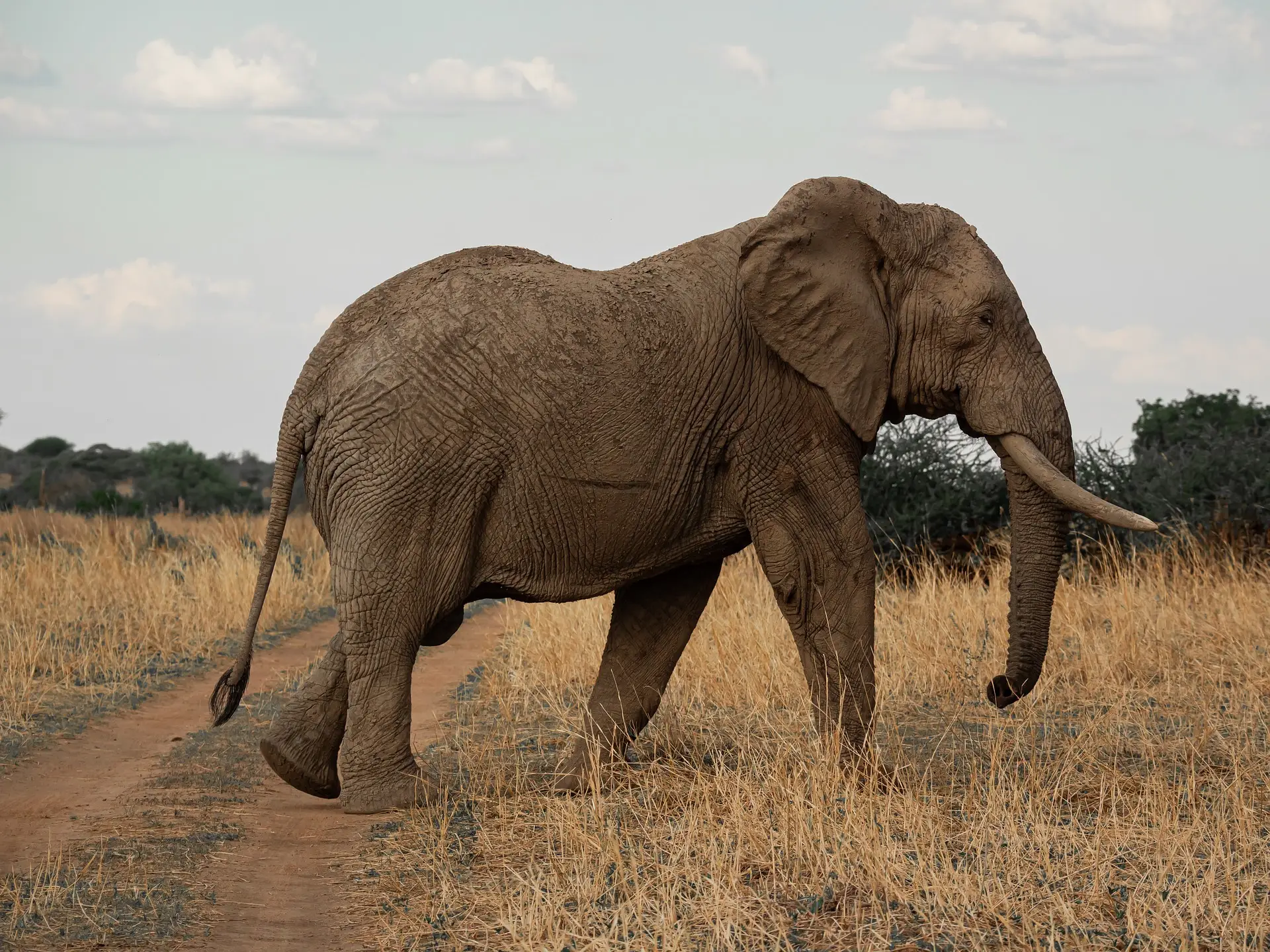
Discover the fascinating world of elephant communication, intelligence, and complex social structures. Learn how elephants use infrasound, body language, and emotional bonds to interact.
How Do Elephants Communicate: Understanding Elephant Intelligence and Social Behavior 2026
Elephants are among Earth's most intelligent and socially complex animals, possessing communication abilities that rival those of primates and cetaceans. These magnificent creatures employ an intricate system of vocalizations, body language, chemical signals, and even seismic communication to maintain their sophisticated social structures. Understanding elephant communication reveals not only their remarkable cognitive abilities but also the deep emotional bonds that define elephant society.
The Elephant Brain: Foundation of Intelligence
The elephant brain is the largest of any land animal, weighing approximately 5 kilograms (11 pounds)—about three times heavier than a human brain. More importantly, elephants have a high encephalization quotient (brain-to-body-size ratio), indicating advanced cognitive capabilities.
The elephant brain contains approximately 257 billion neurons—three times more than humans—with particularly dense concentrations in the cerebellum and cerebral cortex. The temporal lobes, associated with memory and emotional processing, are exceptionally large and complex. This neurological architecture supports elephants' renowned memory, problem-solving abilities, and emotional depth.
Elephants demonstrate self-awareness, passing the mirror self-recognition test—a cognitive milestone achieved by only a few species including great apes, dolphins, and magpies. They recognize themselves in mirrors, use mirrors to inspect parts of their bodies they cannot normally see, and even attempt to remove marks placed on their bodies while viewing their reflection.
Vocal Communication: Beyond Human Hearing
Elephants produce a diverse array of vocalizations spanning frequencies from infrasound (below human hearing range) to audible trumpets, rumbles, roars, and screams. This vocal repertoire serves various communicative functions from coordinating group movements to expressing emotions.
Infrasonic Communication
Perhaps the most remarkable aspect of elephant communication is their use of infrasound—low-frequency sounds below 20 Hz that humans cannot hear. These powerful rumbles can travel through the ground for several kilometers, allowing elephants to communicate across vast distances.
Elephants produce infrasonic calls using their larynx, creating vibrations that propagate through both air and ground. Other elephants detect these signals through their feet and trunks, which contain specialized mechanoreceptors sensitive to seismic vibrations. By lifting one foot and leaning forward, elephants can better detect and localize distant calls.
Infrasonic communication serves multiple purposes. Matriarchs use low-frequency "contact calls" to maintain cohesion in dispersed family groups. Males produce infrasonic musth rumbles advertising their reproductive status to females over long distances. Elephants also use infrasound to coordinate movements, warn of danger, and locate water sources during droughts.
Research has documented over 70 distinct infrasonic call types, each conveying specific information about the caller's identity, emotional state, and behavioral context. Elephants can recognize individual voices, remember calls from elephants they haven't encountered in years, and distinguish between calls from family members versus strangers.
Audible Vocalizations
In addition to infrasound, elephants produce numerous vocalizations within human hearing range. Trumpets—the iconic elephant sound—typically signal excitement, alarm, or aggression. Elephants trumpet when greeting family members after separation, during play, or when threatened.
Rumbles, while often infrasonic, sometimes contain audible components. These versatile vocalizations express various emotions and intentions, from contentment during feeding to distress when separated from family. Mother elephants rumble to reassure calves, while groups rumble in chorus during joyful reunions.
Roars and screams indicate extreme distress, fear, or aggression. Elephants may roar when attacked by predators, during violent confrontations with other elephants, or when experiencing severe pain or trauma.
Chirps, squeaks, and barks—primarily produced by calves—express excitement, playfulness, or distress. Young elephants are particularly vocal, constantly communicating with their mothers and other family members as they learn appropriate social behaviors.
Body Language and Visual Signals
Elephants are masters of non-vocal communication, using their entire bodies to convey information and emotions.
Trunk Gestures
The trunk—a fusion of nose and upper lip containing over 40,000 muscles—is an incredibly versatile communication tool. Elephants use trunk gestures to greet each other, express affection, assert dominance, and investigate their environment.
Trunk-to-mouth touching is a common greeting behavior, similar to a handshake. Elephants also entwine trunks during friendly interactions, particularly between mothers and calves or between bonded individuals. Trunk-over-back placement demonstrates reassurance and comfort, often seen when elephants console distressed family members.
Aggressive trunk displays include trunk swinging, trunk coiling (making the trunk appear larger), and trunk slapping against the ground or body. These displays warn rivals or predators without escalating to physical violence.
Ear Positions
Elephant ears serve communicative functions beyond thermoregulation. Ear spreading—extending ears perpendicular to the head—makes elephants appear larger and more intimidating, signaling aggression or alarm. Conversely, ears held flat against the head indicate submission or fear.
Ear flapping can signal various states depending on context: rapid flapping may indicate agitation or excitement, while gentle flapping during rest suggests contentment. Elephants also use ear movements to direct attention, pointing their ears toward sounds or objects of interest.
Posture and Movement
Body posture communicates confidence, submission, or threat. Dominant elephants stand tall with heads high, while subordinate individuals lower their heads and bodies. Aggressive elephants may charge with ears spread, head raised, and trunk curled—a display designed to intimidate without necessarily leading to contact.
Head shaking expresses disagreement, frustration, or playfulness depending on context. Elephants shake their heads when refusing to follow directions, during play, or when annoyed by insects.
Swaying, head bobbing, and other repetitive movements sometimes indicate stress in captive elephants but can also occur during normal resting behavior in wild populations.
Chemical Communication
Like many mammals, elephants use chemical signals to convey information about reproductive status, identity, and emotional state.
Temporal Gland Secretions
Elephants possess temporal glands located between their eyes and ears that secrete fluid during periods of excitement, stress, or sexual activity. During musth—a period of heightened testosterone and aggression in males—temporal glands secrete copiously, producing a strong odor that advertises the male's condition to potential mates and rivals.
Temporal gland secretions also occur during emotional situations like reunions with family members or responses to threats. The chemical composition of these secretions likely conveys information about the individual's physiological and emotional state.
Urine and Feces
Elephants gather information from urine and feces through chemosensory analysis. Males test female urine to assess reproductive status using the flehmen response—curling the trunk tip into the mouth to transfer chemical signals to the vomeronasal organ.
Elephants also appear to recognize individuals through scent, investigating dung piles and urine spots left by other elephants. This chemical communication helps elephants track movements of family members and assess the presence of strangers in their range.
Social Intelligence and Emotional Communication
Elephant communication is deeply intertwined with their complex social structures and emotional lives.
Matriarchal Society
Elephant society centers on family units led by the oldest, most experienced female—the matriarch. These groups typically consist of related females and their offspring, with strong bonds maintained through constant communication.
The matriarch's knowledge and decision-making abilities are crucial for family survival. She remembers locations of water sources, migration routes, and safe havens, communicating this information through vocalizations and leadership by example. Research shows that families led by older matriarchs have higher survival rates, particularly during droughts, demonstrating the value of accumulated knowledge and effective communication.
Empathy and Emotional Support
Elephants display remarkable empathy, responding to distress in family members with comforting behaviors. When an elephant is injured, sick, or dying, family members gather around, touching the individual with their trunks, vocalizing softly, and attempting to help them stand.
Elephants appear to grieve their dead, returning to carcasses to touch bones with their trunks, particularly skulls and tusks. They may cover bodies with vegetation and stand vigil for days. While the full extent of elephant understanding of death remains debated, these behaviors demonstrate deep emotional responses to loss.
Elephants also celebrate joyful events through exuberant displays. Family reunions after separation trigger intense greeting ceremonies with trumpeting, rumbling, spinning, defecating, and temporal gland streaming—a "greeting pandemonium" expressing excitement and reinforcing social bonds.
Cooperative Behavior
Elephants cooperate in numerous contexts, from childcare to defense, requiring sophisticated communication. Allomothering—care of calves by females other than the mother—is common, with aunts, sisters, and grandmothers helping raise young. This cooperative breeding requires coordination through vocalizations and visual signals.
When threatened by predators, elephants form defensive circles with calves in the center, coordinating their positions through rumbles and body language. Adults may charge threats in coordinated fashion, with matriarchs leading the defense.
Elephants also cooperate in problem-solving tasks. Experiments have shown elephants can coordinate actions with partners to obtain food rewards, understanding that success requires simultaneous action—a level of cooperation requiring theory of mind and communication about intentions.
Learning and Cultural Transmission
Elephant communication facilitates cultural transmission of knowledge across generations.
Young elephants learn appropriate behaviors, vocalizations, and social skills through observation and practice. Calves stay close to their mothers for years, learning which plants are edible, where to find water, how to use tools, and how to interact with other elephants.
Different elephant populations exhibit cultural variations in behavior, suggesting learned traditions passed through communication. Some populations use specific tool-use techniques, migration routes, or foraging strategies not seen in other groups, indicating cultural knowledge transmitted socially rather than genetically.
Conservation Implications
Understanding elephant communication has important conservation implications. Human activities disrupt elephant communication networks through habitat fragmentation, noise pollution, and poaching.
Roads, settlements, and agricultural development fragment elephant ranges, separating family groups and disrupting long-distance communication. Noise from vehicles, machinery, and human activity masks infrasonic signals, potentially interfering with elephants' ability to coordinate movements and maintain social bonds.
Poaching devastates elephant social structures, often targeting matriarchs for their large tusks. Loss of these experienced leaders disrupts family cohesion and cultural knowledge transmission, as younger, less experienced females lack the accumulated wisdom to guide their families effectively.
Conservation strategies must consider elephants' communication needs, maintaining habitat connectivity that allows long-distance communication, reducing noise pollution in elephant habitats, and protecting family groups to preserve social structures and cultural knowledge.
Research Methods and Future Directions
Scientists study elephant communication using various methods including acoustic monitoring, behavioral observation, hormonal analysis, and experimental studies. Long-term field studies tracking known individuals have revealed the complexity of elephant social networks and communication systems.
Technological advances enable new discoveries. Acoustic arrays detect and localize infrasonic calls across landscapes, revealing communication networks spanning dozens of kilometers. Machine learning algorithms analyze thousands of vocalizations, identifying subtle patterns and individual signatures. GPS collars combined with acoustic monitoring correlate movements with communication, showing how elephants coordinate group activities.
Future research will likely uncover additional layers of complexity in elephant communication. Questions remain about the full extent of information encoded in vocalizations, how elephants learn and modify their communication, and whether elephants possess anything resembling language with syntax and grammar.
Conclusion
Elephant communication represents one of nature's most sophisticated information exchange systems, rivaling human language in complexity and nuance. Through infrasonic rumbles traveling kilometers through the earth, subtle trunk gestures, chemical signals, and emotional expressions, elephants maintain intricate social networks, transmit cultural knowledge, and express the full range of emotions from grief to joy.
Understanding elephant communication not only reveals their remarkable intelligence but also emphasizes our responsibility to protect these magnificent animals and the ecosystems they inhabit. As we continue decoding the language of elephants, we gain deeper appreciation for their cognitive and emotional lives, strengthening the case for their conservation and humane treatment.
The more we learn about how elephants communicate, the more we recognize them as individuals with rich inner lives, complex relationships, and sophisticated minds deserving of our respect and protection. In preserving elephants, we preserve not just a species but an ancient culture, a repository of knowledge, and a testament to the incredible diversity of intelligence on our planet.