Endangered Species in 2026: Critical Conservation Efforts and How You Can Help Save Wildlife
Learn about the most critically endangered species in 2026, current conservation efforts, success stories, and practical ways you can contribute to wildlife protection. Discover the latest developments in species recovery and habitat preservation.
Endangered Species in 2026: Critical Conservation Efforts and How You Can Help Save Wildlife
As we progress through 2026, the state of global biodiversity remains one of humanity's most pressing challenges. While conservation efforts have achieved remarkable successes, many species continue to teeter on the brink of extinction. Understanding which species are most at risk, why they're endangered, and what's being done to protect them is crucial for anyone who cares about preserving Earth's incredible biological diversity. More importantly, recognizing how individual actions can contribute to conservation efforts empowers each of us to make a difference.
This comprehensive guide examines the current state of endangered species, highlights both concerning trends and encouraging success stories, and provides actionable ways you can contribute to wildlife conservation—regardless of where you live or your level of expertise.
Understanding Endangerment: Why Species Face Extinction
Before exploring specific species and conservation efforts, it's essential to understand the factors driving animals toward extinction. While each species faces unique challenges, several common threats emerge across different ecosystems and geographic regions.
Habitat Loss and Fragmentation
Habitat destruction remains the single greatest threat to wildlife worldwide. As human populations expand and development accelerates, natural habitats are converted to agriculture, urban areas, and infrastructure. In 2026, we're losing forest area equivalent to several football fields every minute, and wetlands, grasslands, and other critical ecosystems face similar pressures.
Fragmentation compounds the problem. When large habitats are divided into smaller, isolated patches, animal populations become separated, reducing genetic diversity and making species more vulnerable to local extinction. Small, isolated populations face increased risks from disease, natural disasters, and inbreeding.
Climate Change Impacts
Climate change has emerged as an increasingly severe threat to wildlife. Rising temperatures, changing precipitation patterns, and more frequent extreme weather events disrupt ecosystems that species depend on. Some animals can't adapt quickly enough to these rapid changes, while others lose critical resources like food sources or breeding grounds.
Polar species face particularly acute challenges as Arctic and Antarctic ice melts. Coral reefs, often called the "rainforests of the sea," are experiencing widespread bleaching due to warming ocean temperatures. Mountain species are literally running out of habitat as they're forced to higher elevations to find suitable temperatures.
Poaching and Illegal Wildlife Trade
Despite international efforts to combat wildlife crime, illegal hunting and trafficking continue to devastate many species. The illegal wildlife trade is estimated to be worth billions of dollars annually, driven by demand for exotic pets, traditional medicines, luxury goods, and trophies.
Poaching doesn't just affect targeted species. Snares and traps set for one animal often catch others, and the disruption of ecosystems when key species are removed has cascading effects throughout food webs.
Pollution and Environmental Contamination
Pollution takes many forms, each harmful to wildlife in different ways. Plastic pollution in oceans kills marine animals through ingestion and entanglement. Chemical pollutants accumulate in food chains, affecting reproduction and survival. Light and noise pollution disrupt animal behavior, migration patterns, and breeding cycles.
In 2026, microplastics have been found in virtually every ecosystem on Earth, from the deepest ocean trenches to the highest mountain peaks. The long-term effects on wildlife are still being studied, but early findings are concerning.
Invasive Species
When non-native species are introduced to new environments, they can devastate local wildlife. Invasive species may outcompete native animals for resources, prey on them directly, introduce diseases, or alter habitats in ways that make them unsuitable for native species.
Island ecosystems are particularly vulnerable to invasive species. Many island animals evolved without predators and lack defensive behaviors, making them easy prey for introduced cats, rats, or snakes.
Critically Endangered Species in 2026
While thousands of species are threatened, some face imminent extinction without immediate intervention. Here are some of the most critically endangered animals in 2026 and the efforts underway to save them.
Vaquita: The World's Rarest Marine Mammal
The vaquita, a small porpoise found only in Mexico's Gulf of California, remains the world's most endangered marine mammal. With fewer than 10 individuals estimated to survive in 2026, the vaquita faces extinction primarily due to bycatch in illegal gillnet fishing operations targeting another endangered species, the totoaba fish.
Conservation efforts have intensified, with Mexico implementing stronger enforcement against illegal fishing and developing alternative livelihoods for fishing communities. Scientists are also exploring innovative technologies like acoustic monitoring and drone surveillance to protect the remaining vaquitas. However, time is running out, and the species' survival remains uncertain.
Javan Rhino: Clinging to Existence
The Javan rhinoceros, once widespread across Southeast Asia, now survives only in Ujung Kulon National Park in Indonesia, with a population of approximately 70 individuals. Habitat loss and poaching for their horns have driven this species to the brink.
Conservation strategies focus on intensive protection of the remaining population, habitat management, and exploring the possibility of establishing a second population to reduce extinction risk. Advanced genetic analysis helps managers maintain genetic diversity in this tiny population, while anti-poaching patrols work tirelessly to prevent any further losses.
Amur Leopard: A Conservation Success Story in Progress
The Amur leopard, native to the Russian Far East and northeastern China, represents both a conservation challenge and a success story. From a low of approximately 30 individuals in the early 2000s, the population has grown to over 100 in 2026 through dedicated conservation efforts.
This recovery demonstrates what's possible with coordinated international cooperation, habitat protection, anti-poaching measures, and community engagement. However, the species remains critically endangered, and continued vigilance is necessary to ensure its survival.
Sumatran Orangutan: Losing Ground in the Rainforest
Sumatran orangutans face a dire situation as their rainforest habitat continues to shrink due to palm oil plantations, logging, and human settlement. With fewer than 14,000 individuals remaining, this species could disappear within decades without significant intervention.
Conservation organizations are working on multiple fronts: protecting remaining forest, restoring degraded habitat, rescuing and rehabilitating displaced orangutans, and working with palm oil companies to implement more sustainable practices. Community-based conservation programs help local people benefit from forest protection rather than destruction.
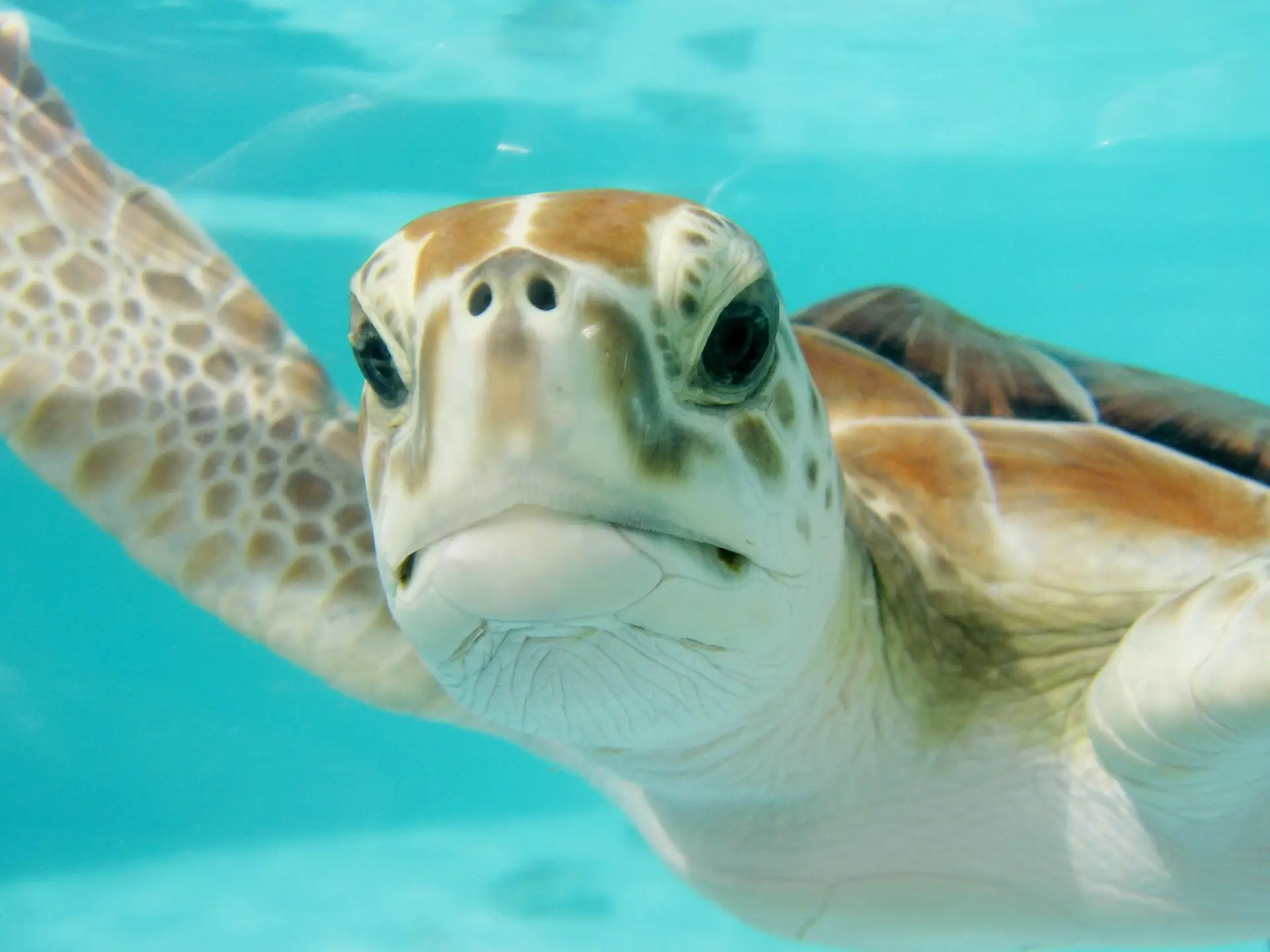
Hawksbill Sea Turtle: Threatened by Multiple Factors
Hawksbill sea turtles face threats throughout their lifecycle. Their eggs are harvested for food, juveniles are caught as bycatch in fishing operations, adults are killed for their beautiful shells, and their coral reef habitats are degrading due to climate change and pollution.
Conservation efforts include protecting nesting beaches, reducing bycatch through turtle-friendly fishing gear, combating illegal shell trade, and restoring coral reefs. In 2026, some populations show signs of recovery, but the species remains critically endangered globally.
Conservation Success Stories: Hope for the Future
While the challenges are significant, conservation successes demonstrate that extinction isn't inevitable. These stories provide hope and valuable lessons for protecting other endangered species.
Giant Panda: From Endangered to Vulnerable
The giant panda's reclassification from "endangered" to "vulnerable" in 2016 marked a major conservation victory. Through decades of habitat protection, captive breeding programs, and community engagement, China has increased wild panda populations to over 1,800 individuals.
This success story shows the importance of long-term commitment, scientific research, international cooperation, and addressing both direct threats and underlying causes of endangerment. The panda's recovery also benefits countless other species sharing its bamboo forest habitat.
Humpback Whale: Recovering from Near Extinction
Humpback whales were hunted to near extinction, with some populations reduced by over 90%. International whaling bans, implemented in the 1960s and strengthened in subsequent decades, allowed populations to recover dramatically. Many humpback populations have rebounded to healthy levels, though some remain endangered.
This recovery demonstrates that even severely depleted populations can recover when threats are removed and sufficient time is allowed for reproduction. It also highlights the importance of international agreements and enforcement in protecting migratory species.
California Condor: Saved from the Brink
In 1987, only 27 California condors remained in the world, all in captivity. Through intensive captive breeding, careful reintroduction, and ongoing management, the population has grown to over 500 individuals, with more than half flying free in the wild.
The condor's recovery required addressing multiple threats: lead poisoning from ammunition, habitat loss, and collisions with power lines. This multi-faceted approach, combined with decades of dedicated effort, saved the species from certain extinction.
Black-footed Ferret: Back from Extinction
Black-footed ferrets were declared extinct in the wild in 1987 after the last known population was devastated by disease. However, a small captive population was established, and through careful breeding and reintroduction efforts, ferrets now live in multiple locations across North America.
This recovery required not just breeding ferrets but also restoring prairie dog populations (their primary prey) and managing disease threats. It demonstrates the complexity of species recovery and the need for ecosystem-level thinking in conservation.
How You Can Help: Practical Conservation Actions
Conservation isn't just for scientists and wildlife professionals. Everyone can contribute to protecting endangered species and preserving biodiversity. Here are meaningful actions you can take.
Make Informed Consumer Choices
Your purchasing decisions have significant impacts on wildlife and habitats. Choose sustainable seafood using guides from organizations like the Marine Stewardship Council. Look for products certified by the Forest Stewardship Council to ensure they come from responsibly managed forests. Avoid products containing palm oil unless certified sustainable, as palm oil production is a major driver of rainforest destruction.
Be cautious about exotic pets. The pet trade threatens many species, and exotic animals often suffer in captivity. If you want a pet, adopt from shelters rather than supporting breeding operations or wild capture.
Reduce Your Environmental Footprint
Climate change threatens countless species, and reducing your carbon footprint helps protect wildlife. Use energy-efficient appliances, reduce car travel when possible, support renewable energy, and consider your diet—livestock production is a major contributor to greenhouse gas emissions and habitat destruction.
Reduce plastic use, especially single-use plastics that often end up in oceans and waterways. Properly dispose of chemicals and medications rather than pouring them down drains. These small actions, multiplied across millions of people, make a significant difference.
Support Conservation Organizations
Financial support enables conservation organizations to protect habitats, conduct research, run breeding programs, and fight wildlife crime. Research organizations to ensure they're effective and ethical, then contribute what you can. Even small donations help, and many organizations offer options to "adopt" specific animals, with funds supporting their protection.
Consider volunteering if you have time. Many conservation projects need volunteers for activities like habitat restoration, wildlife monitoring, or educational programs. Virtual volunteering opportunities have expanded significantly, allowing people to contribute from anywhere.
Advocate for Wildlife Protection
Contact your elected representatives about wildlife protection policies. Support legislation that protects endangered species, preserves habitats, and addresses climate change. Vote for candidates who prioritize environmental protection.
Speak up against developments that threaten wildlife habitats in your area. Attend public hearings, sign petitions, and join local conservation groups. Collective action can prevent destructive projects and promote wildlife-friendly development.
Educate Yourself and Others
Learn about local wildlife and ecosystems. Understanding what species live near you and what threats they face enables more effective local action. Share what you learn with friends, family, and social media followers. Raising awareness is crucial for building the public support necessary for conservation policies.
Teach children about wildlife and conservation. The next generation will face even greater conservation challenges, and fostering environmental awareness early helps create future conservation leaders.
Participate in Citizen Science
Contribute to scientific research through citizen science projects. Apps and websites allow you to report wildlife sightings, monitor local species, or analyze data from remote cameras. These contributions help scientists track populations, understand animal movements, and identify conservation priorities.
Projects like eBird (for bird observations), iNaturalist (for all species), and various marine debris monitoring programs welcome participants of all skill levels. Your observations contribute to real scientific understanding and conservation planning.
Create Wildlife-Friendly Spaces
Even small yards or balconies can support wildlife. Plant native species that provide food and shelter for local animals. Avoid pesticides, which harm insects and the animals that eat them. Provide water sources, especially during dry periods. Leave some areas "messy" with leaf litter and dead wood—these provide crucial habitat for many species.
If you have more space, consider creating or restoring larger wildlife habitats. Join or start community conservation projects like creating pollinator gardens, restoring streams, or establishing wildlife corridors.
The Role of Technology in Conservation
In 2026, technology plays an increasingly important role in conservation efforts. Understanding these tools helps appreciate the sophistication of modern conservation and identifies opportunities for support.
Genetic Technologies
Advanced genetic analysis helps conservationists understand population structure, identify individuals, and manage breeding programs to maintain genetic diversity. Gene banking preserves genetic material from endangered species, providing insurance against extinction and potentially enabling future recovery efforts.
Some controversial technologies, like genetic rescue (introducing genes from related species to increase genetic diversity) or de-extinction efforts, raise ethical questions while offering potential conservation tools.
Monitoring and Surveillance
Drones, satellite imagery, and camera traps enable monitoring of remote areas and elusive species. AI-powered image analysis can identify individual animals, count populations, and detect poaching activities. Acoustic monitoring tracks species through their vocalizations, while GPS collars reveal movement patterns and habitat use.
These technologies make conservation more efficient and effective, allowing limited resources to be deployed where they're most needed.
Community Engagement Platforms
Digital platforms connect conservation organizations with supporters, facilitate citizen science, and enable real-time reporting of wildlife crimes. Social media raises awareness and mobilizes action, while crowdfunding platforms enable direct support for specific conservation projects.
Looking Forward: The Future of Conservation
As we move through 2026 and beyond, conservation faces both challenges and opportunities. Climate change will continue to pressure species and ecosystems, requiring adaptive management strategies. Human population growth and development will increase habitat pressures in many regions.
However, growing environmental awareness, advancing technology, and increasing recognition of nature's value provide hope. More people than ever understand the importance of biodiversity and are willing to take action to protect it. International cooperation on conservation has strengthened, and innovative funding mechanisms are emerging to support protection efforts.
The key to success lies in recognizing that conservation isn't separate from human wellbeing—it's essential to it. Healthy ecosystems provide clean air and water, climate regulation, pollination of crops, and countless other services. Protecting endangered species means protecting the natural systems that sustain all life on Earth, including human life.
Conclusion
The endangered species crisis is real and urgent, but it's not hopeless. Every species saved represents a conservation success and provides lessons for protecting others. The actions we take today—individually and collectively—will determine which species survive and which disappear forever.
You don't need to be a scientist or dedicate your life to conservation to make a difference. Simple choices about what you buy, how you live, and how you engage with the natural world all contribute to wildlife protection. Supporting conservation organizations, advocating for protective policies, and teaching others about the importance of biodiversity amplifies your impact.
As we face the conservation challenges of 2026 and beyond, remember that every action matters. The species we save today will be here for future generations to marvel at, learn from, and share the planet with. That's a legacy worth fighting for, and it's one we can all contribute to creating.