How to Help Save Sea Turtles: Marine Conservation Actions You Can Take 2026
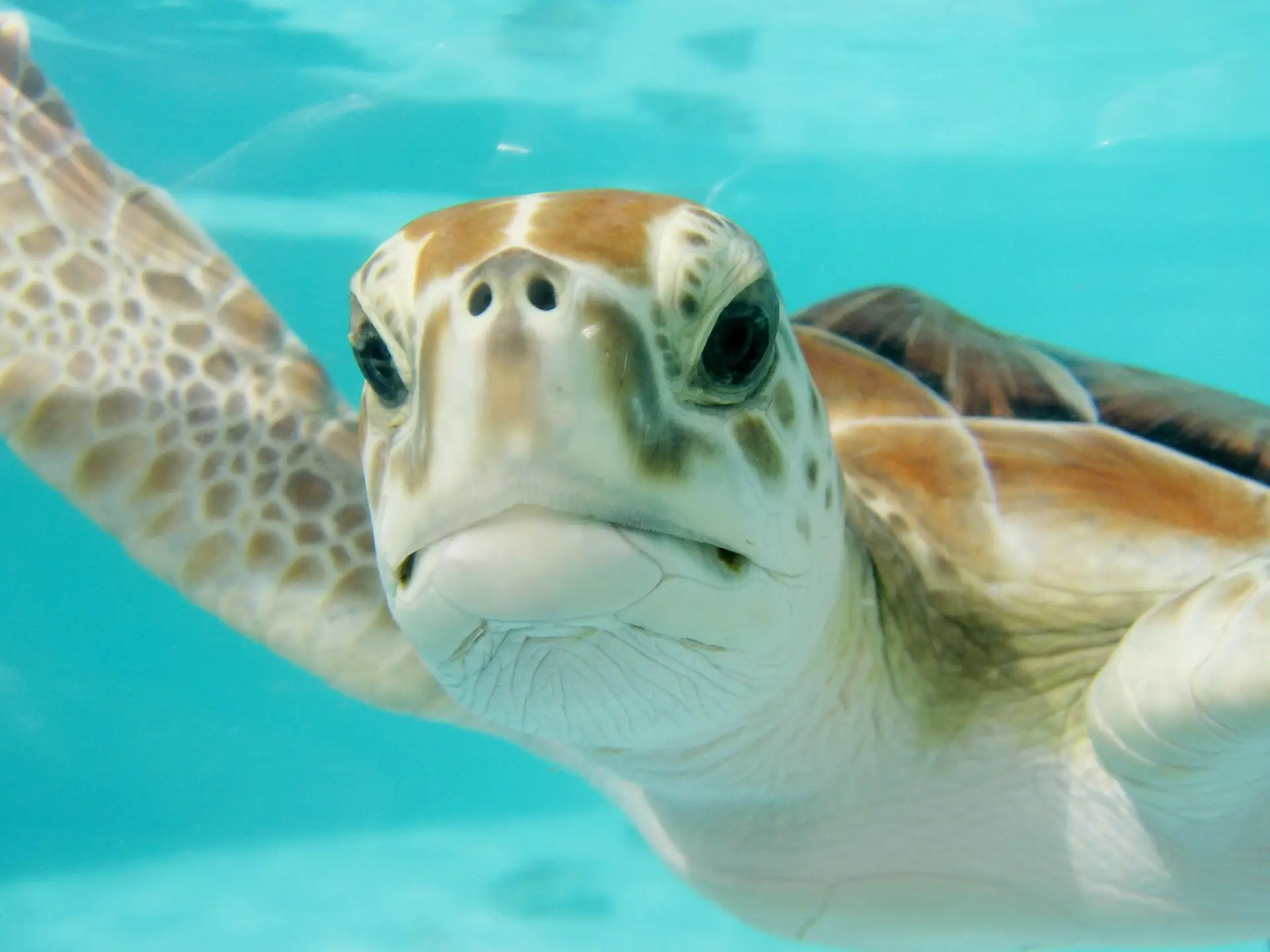
Learn practical ways to help save endangered sea turtles. Discover conservation actions, threats facing sea turtles, and how individuals can contribute to marine turtle protection.
How to Help Save Sea Turtles: Marine Conservation Actions You Can Take 2026
Sea turtles have navigated Earth's oceans for over 100 million years, surviving the extinction event that eliminated dinosaurs. Yet in just a few decades, human activities have pushed six of the seven sea turtle species toward extinction. These ancient mariners face threats from plastic pollution, fishing gear entanglement, habitat destruction, climate change, and illegal trade. However, individual actions can make meaningful differences in sea turtle conservation. This comprehensive guide explains the threats facing sea turtles and provides practical ways everyone can contribute to their protection.
Understanding Sea Turtles: Ancient Ocean Navigators
Seven sea turtle species inhabit our oceans: Green, Loggerhead, Hawksbill, Leatherback, Olive Ridley, Kemp's Ridley, and Flatback turtles. Each species plays crucial ecological roles, from maintaining healthy seagrass beds to controlling jellyfish populations.
Sea turtles undertake remarkable migrations, traveling thousands of kilometers between feeding grounds and nesting beaches. Female turtles return to the same beaches where they hatched decades earlier—a navigational feat scientists are still working to fully understand. This site fidelity makes sea turtles particularly vulnerable to beach development and disturbance.
Sea turtles face threats throughout their life cycles. Eggs are vulnerable to predators, poachers, and beach erosion. Hatchlings must navigate from nest to ocean while avoiding predators and artificial lights that disorient them. Juveniles and adults face fishing gear entanglement, boat strikes, pollution, and habitat degradation. Only about 1 in 1,000 hatchlings survives to adulthood, and human activities further reduce these already slim odds.
Major Threats to Sea Turtles
Understanding threats helps identify where individual actions can make the most impact.
Plastic Pollution
Plastic pollution represents one of the most pervasive threats to sea turtles. Turtles mistake plastic bags for jellyfish, their natural prey, consuming plastic that blocks digestive systems and causes starvation. Microplastics accumulate in turtle tissues, potentially affecting health and reproduction.
Research shows that over 50% of sea turtles have ingested plastic. Even small amounts can be fatal, as plastic blocks intestines, preventing nutrient absorption. Turtles also become entangled in plastic debris, including discarded fishing gear, six-pack rings, and balloon strings.
Fishing Gear Entanglement and Bycatch
Commercial fishing operations accidentally capture thousands of sea turtles annually as bycatch. Turtles become entangled in nets, hooked on longlines, or trapped in trawls. Many drown before being released, while others suffer injuries that reduce survival chances.
Abandoned fishing gear—"ghost nets"—continues catching turtles long after being lost or discarded. These nets drift through oceans, entangling and killing marine life including sea turtles.
Coastal Development and Nesting Habitat Loss
Beach development destroys nesting habitat and introduces artificial lighting that disorients hatchlings. Instead of heading toward the ocean's natural horizon glow, hatchlings crawl toward artificial lights, becoming exhausted, dehydrated, or falling prey to predators.
Coastal armoring (seawalls and revetments) prevents beach erosion but eliminates nesting habitat. Beach nourishment projects can bury nests or create unsuitable nesting substrate. Increased human beach use disturbs nesting females and crushes nests.
Climate Change
Climate change affects sea turtles in multiple ways. Rising temperatures skew sex ratios—turtle sex is determined by incubation temperature, with warmer temperatures producing more females. Some populations now produce over 90% females, threatening long-term viability.
Sea level rise threatens nesting beaches, while stronger storms erode beaches and destroy nests. Ocean acidification affects prey species, and changing ocean currents alter migration routes and food availability.
Illegal Trade and Poaching
Despite international protections, illegal trade in turtle shells, meat, and eggs continues. Hawksbill turtles are particularly targeted for their beautiful shells used in jewelry and decorative items. Turtle eggs are consumed as delicacies in some regions, and turtle meat is sold in illegal markets.
Boat Strikes
In areas with heavy boat traffic, sea turtles face injury or death from boat propellers and collisions. Turtles surface to breathe and are often struck before they can dive to safety.
How Individuals Can Help Save Sea Turtles
While threats are serious, individual actions collectively create significant positive impacts.
Reduce Plastic Use
The most direct way to help sea turtles is reducing plastic consumption, particularly single-use plastics.
Actionable Steps:
- Use reusable shopping bags, water bottles, and food containers
- Refuse plastic straws, utensils, and bags
- Choose products with minimal plastic packaging
- Participate in beach cleanups to remove existing plastic pollution
- Support businesses committed to reducing plastic use
- Advocate for plastic reduction policies in your community
Every piece of plastic prevented from entering oceans is one less threat to sea turtles. When plastic use is unavoidable, ensure proper disposal and recycling.
Make Sustainable Seafood Choices
Consumer seafood choices influence fishing practices affecting sea turtles.
Actionable Steps:
- Consult sustainable seafood guides (Monterey Bay Aquarium Seafood Watch, Marine Stewardship Council)
- Choose seafood caught using turtle-safe methods
- Ask restaurants and markets about seafood sourcing
- Reduce overall seafood consumption
- Support fisheries using Turtle Excluder Devices (TEDs)
TEDs are specialized grates in fishing nets that allow turtles to escape while retaining target fish. Supporting fisheries using TEDs encourages their wider adoption.
Protect Nesting Beaches
If you live near or visit sea turtle nesting beaches, your actions directly impact nesting success.
Actionable Steps:
- Turn off or shield beachfront lights during nesting season
- Fill in holes and knock down sandcastles before leaving beaches
- Keep beaches clean—remove trash and equipment
- Observe nesting turtles from a distance without disturbing them
- Never touch nests, hatchlings, or nesting females
- Report nesting activity to local conservation organizations
- Participate in nest monitoring programs
Many coastal communities have lighting ordinances protecting nesting beaches. Support and comply with these regulations, and encourage others to do the same.
Support Sea Turtle Conservation Organizations
Numerous organizations work to protect sea turtles through research, habitat protection, rescue operations, and advocacy.
Actionable Steps:
- Donate to reputable sea turtle conservation organizations
- Adopt a sea turtle through symbolic adoption programs
- Volunteer with local turtle conservation groups
- Participate in citizen science projects monitoring turtle populations
- Support marine protected areas and turtle sanctuaries
Research organizations before donating to ensure funds support effective conservation work. Look for organizations with transparent operations and measurable conservation outcomes.
Reduce Your Carbon Footprint
Climate change mitigation helps sea turtles by stabilizing temperatures and protecting habitats.
Actionable Steps:
- Reduce energy consumption at home
- Choose renewable energy when possible
- Drive less, walk, bike, or use public transportation
- Eat less meat and more plant-based foods
- Support climate action policies
- Educate others about climate change impacts on wildlife
While individual carbon footprint reduction may seem small, collective action drives systemic change necessary for addressing climate change.
Responsible Ecotourism
Wildlife tourism can support conservation when conducted responsibly but can harm turtles when poorly managed.
Actionable Steps:
- Choose tour operators following sea turtle viewing guidelines
- Maintain appropriate distances from turtles
- Never chase, touch, or ride sea turtles
- Avoid flash photography that may disturb turtles
- Don't purchase products made from turtle shells or other turtle parts
- Report illegal turtle trade or harassment
Responsible ecotourism generates economic incentives for conservation while minimizing disturbance to turtles.
Boat Responsibly
If you operate boats in areas with sea turtles, your actions can prevent injuries and deaths.
Actionable Steps:
- Watch for turtles at the surface
- Reduce speed in areas known for turtle activity
- Avoid running over seagrass beds where turtles feed
- Properly dispose of fishing line and gear
- Report injured turtles to wildlife authorities
Many coastal areas have designated slow-speed zones protecting marine life. Comply with these regulations and encourage others to do so.
Educate Others
Spreading awareness multiplies conservation impact as informed individuals make better choices.
Actionable Steps:
- Share sea turtle conservation information on social media
- Talk to friends and family about threats facing sea turtles
- Support sea turtle education programs in schools
- Organize community presentations about marine conservation
- Correct misinformation about sea turtles and conservation
Education creates conservation advocates who take action and influence others, creating ripple effects that extend far beyond individual efforts.
Advocate for Policy Changes
Individual actions are important, but systemic change requires policy interventions.
Actionable Steps:
- Contact elected officials supporting marine conservation legislation
- Vote for candidates prioritizing environmental protection
- Support marine protected area designations
- Advocate for stronger fishing regulations protecting sea turtles
- Oppose coastal development threatening nesting beaches
- Support international agreements protecting migratory species
Policy changes create large-scale protections that individual actions alone cannot achieve. Advocacy amplifies your conservation impact.
Success Stories: Conservation Works
Despite challenges, sea turtle conservation has achieved remarkable successes, demonstrating that protection efforts work.
Kemp's Ridley Recovery
Kemp's Ridley sea turtles, the world's most endangered sea turtle species, have rebounded from near extinction. In the 1940s, tens of thousands nested on a single Mexican beach. By 1985, only 702 nests were recorded worldwide. Through intensive conservation including nest protection, head-starting programs, and fishing gear modifications, Kemp's Ridley populations have increased, with over 25,000 nests recorded in recent years.
Hawksbill Protection
International trade bans on hawksbill shell products have reduced poaching pressure, allowing some populations to stabilize or increase. Continued enforcement and consumer education are necessary to maintain these gains.
TED Implementation
Mandatory Turtle Excluder Device use in shrimp trawls has dramatically reduced sea turtle bycatch in many fisheries, saving thousands of turtles annually. Expanding TED requirements to additional fisheries could save even more turtles.
Community-Based Conservation
Programs engaging local communities in turtle conservation have succeeded worldwide. When communities benefit economically from turtle protection through ecotourism or employment in conservation programs, they become conservation stakeholders rather than threats.
The Future of Sea Turtle Conservation
Sea turtle conservation in 2026 faces both challenges and opportunities. Climate change, plastic pollution, and habitat loss continue threatening populations, but growing public awareness, improving technologies, and expanding protected areas offer hope.
Emerging technologies including satellite tracking, drone monitoring, and artificial intelligence are enhancing conservation efforts. Satellite tags reveal migration routes and critical habitats needing protection. Drones monitor nesting beaches more efficiently than ground surveys. AI analyzes vast datasets identifying conservation priorities.
International cooperation is expanding, with countries collaborating to protect migratory species crossing political boundaries. Regional management organizations coordinate conservation across turtle ranges, ensuring protections follow turtles throughout their life cycles.
Conclusion
Sea turtles have survived for millions of years, but they cannot survive the current onslaught of human-caused threats without our help. Every individual action—from refusing plastic straws to supporting conservation organizations—contributes to sea turtle protection.
The threats facing sea turtles are daunting, but they are not insurmountable. Conservation successes demonstrate that when people commit to protecting wildlife, populations can recover. Sea turtles need advocates—people willing to make lifestyle changes, support conservation efforts, and speak up for ocean protection.
By taking action today, we ensure that sea turtles continue their ancient migrations for generations to come. These remarkable creatures have earned their place in Earth's oceans through millions of years of evolution. It is our responsibility to ensure they remain part of our planet's incredible biodiversity.
The question is not whether individual actions matter—they do. The question is whether enough individuals will take action to create the collective impact sea turtles need to survive. Will you be one of those individuals? The choice, and the power to make a difference, is yours.