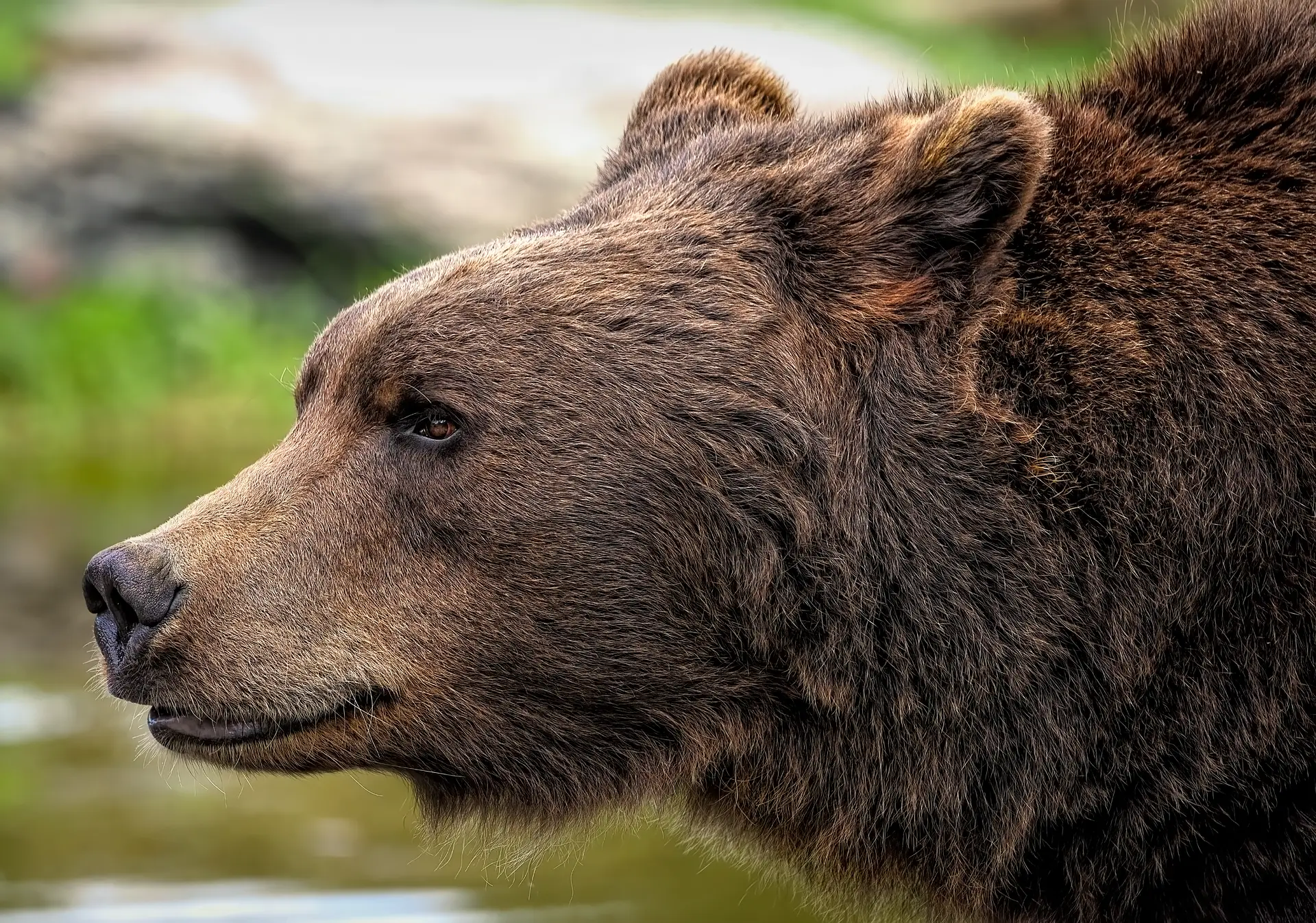
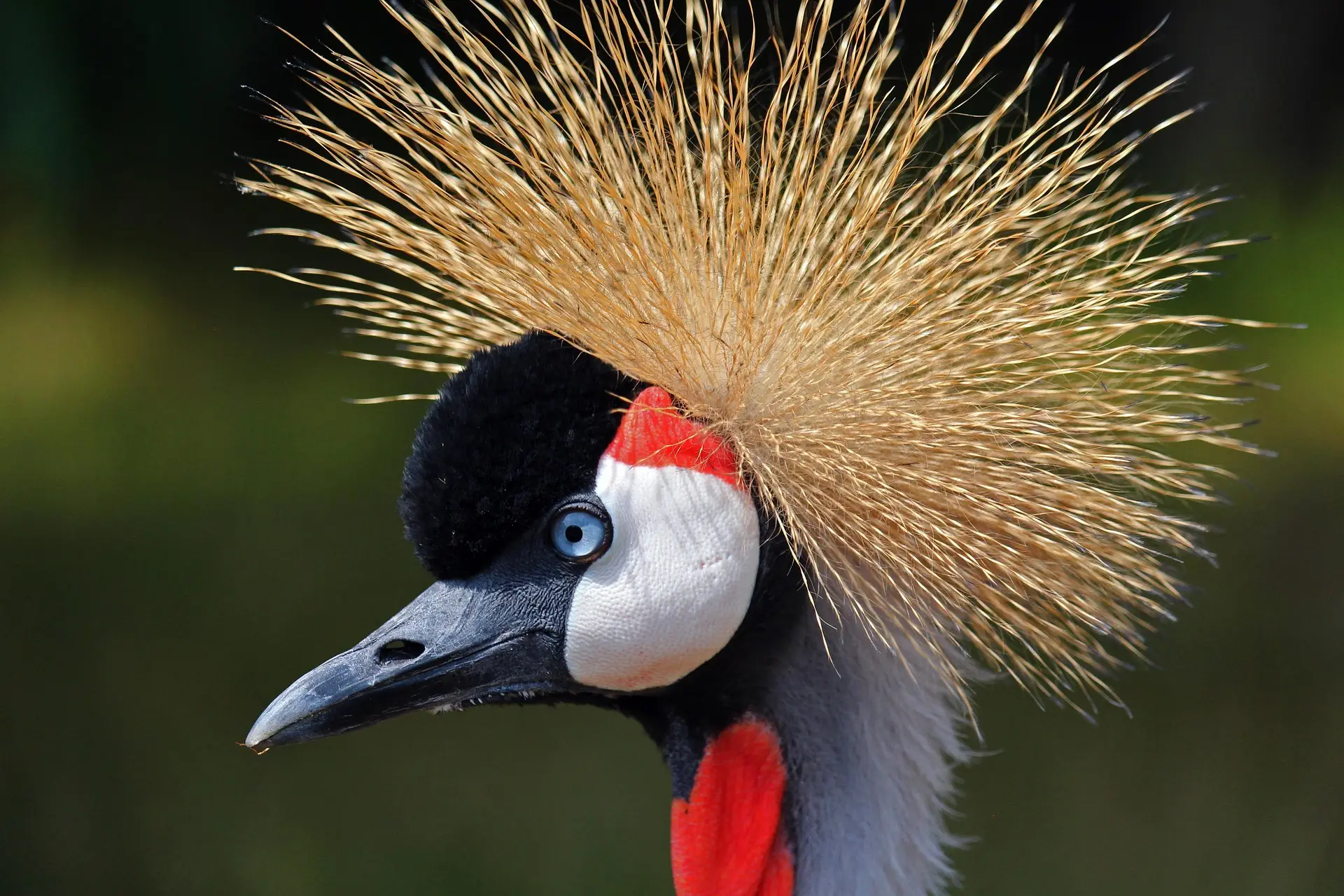
Rainforest Animals Under Threat: Deforestation Impact and Conservation Solutions 2026
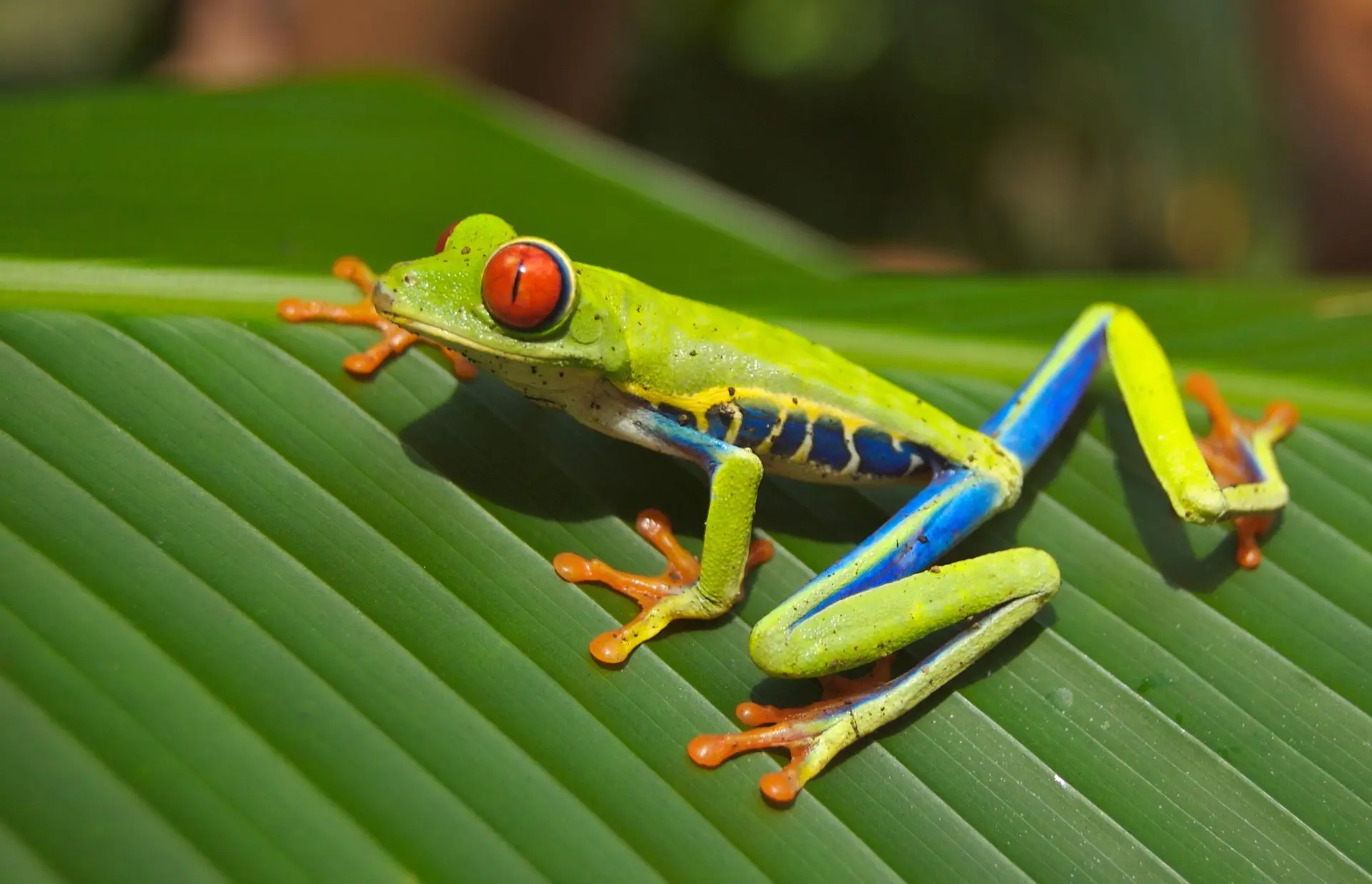
Explore the critical threats facing rainforest animals from deforestation. Learn about endangered rainforest species, habitat loss impacts, and effective conservation solutions.
Rainforest Animals Under Threat: Deforestation Impact and Conservation Solutions 2026
Tropical rainforests harbor over half of Earth's terrestrial species despite covering less than 7% of land surface. These biodiversity hotspots support countless animals found nowhere else on Earth, from jaguars prowling forest floors to colorful macaws soaring through canopies. Yet rainforests are disappearing at alarming rates, with deforestation destroying habitats and pushing countless species toward extinction. Understanding the threats facing rainforest animals and supporting effective conservation solutions is crucial for protecting these irreplaceable ecosystems and the incredible wildlife they sustain.
Rainforest Biodiversity: Earth's Greatest Treasure
Tropical rainforests represent the pinnacle of terrestrial biodiversity. A single hectare of Amazon rainforest may contain more tree species than all of North America. This plant diversity supports equally remarkable animal diversity, with rainforests hosting:
- Over 50% of all bird species
- 80% of insect species
- Majority of primate species
- Countless reptiles, amphibians, and mammals
- Millions of species yet to be discovered
This biodiversity results from millions of years of evolution in stable, warm, wet conditions. Complex vertical stratification creates multiple habitats from forest floor to emergent canopy, each supporting specialized species. The interconnected relationships between rainforest species create intricate ecological webs where each organism plays crucial roles.
Iconic Rainforest Animals Facing Extinction
Numerous charismatic rainforest species face critical threats from habitat loss and other human activities.
Orangutans
Bornean and Sumatran orangutans, found only in Southeast Asian rainforests, have lost over 80% of their habitat to logging and palm oil plantations. These intelligent great apes require large territories and reproduce slowly, making population recovery difficult. Bornean orangutans are critically endangered, with populations declining by over 50% in recent decades.
Jaguars
As apex predators, jaguars require vast territories and healthy prey populations. Amazon deforestation fragments jaguar habitat, isolating populations and reducing genetic diversity. Jaguars also face persecution from ranchers protecting livestock, despite jaguars' ecological importance in controlling prey populations.
Poison Dart Frogs
These brilliantly colored amphibians face threats from habitat loss, climate change, and the chytrid fungus pandemic devastating amphibian populations worldwide. Many poison dart frog species have extremely limited ranges, making them vulnerable to local habitat destruction.
Harpy Eagles
These massive raptors, among the world's largest and most powerful eagles, require extensive old-growth rainforest for hunting and nesting. Deforestation eliminates nesting sites and reduces prey populations, causing harpy eagle declines across their range.
Sloths
Both two-toed and three-toed sloths depend entirely on rainforest trees for food, shelter, and movement. Deforestation leaves sloths stranded in isolated forest fragments, unable to reach new territories. Sloths' slow metabolism and movement make them particularly vulnerable to habitat fragmentation.
Tapirs
These large herbivores play crucial roles as seed dispersers, maintaining rainforest plant diversity. All four tapir species face habitat loss and hunting pressure, with some populations declining by over 50% in recent decades.
The Deforestation Crisis
Rainforest destruction occurs at staggering rates, with consequences extending far beyond habitat loss.
Scale of Destruction
Global rainforest loss exceeds 10 million hectares annually—an area larger than Iceland disappearing each year. The Amazon, Earth's largest rainforest, has lost approximately 17% of its original extent, with deforestation accelerating in recent years. Southeast Asian rainforests face even higher deforestation rates, with some countries losing over 50% of forest cover in recent decades.
Drivers of Deforestation
Agricultural Expansion: Converting forests to cropland and pasture is the primary deforestation driver. Cattle ranching accounts for approximately 80% of Amazon deforestation. Palm oil plantations have destroyed vast areas of Southeast Asian rainforest. Soy cultivation, particularly for animal feed, drives significant South American deforestation.
Logging: Both legal and illegal logging removes valuable timber while damaging surrounding forest. Selective logging opens forest canopy, creating conditions favoring invasive species and increasing fire risk. Logging roads provide access for further deforestation and poaching.
Mining: Mineral extraction, including gold, copper, and rare earth elements, destroys forests and pollutes waterways with toxic chemicals. Small-scale gold mining using mercury contaminates entire river systems, affecting aquatic life and people downstream.
Infrastructure Development: Roads, dams, and urban expansion fragment forests, isolating wildlife populations and facilitating further deforestation. Major infrastructure projects can impact millions of hectares of forest.
Climate Change: While not a direct deforestation cause, climate change exacerbates forest loss through increased drought, fire frequency, and pest outbreaks. Degraded forests become more vulnerable to climate impacts, creating feedback loops accelerating forest loss.
Impacts on Rainforest Wildlife
Deforestation affects rainforest animals through multiple mechanisms, often with cascading effects throughout ecosystems.
Habitat Loss and Fragmentation
Direct habitat destruction eliminates living space for forest-dependent species. Remaining forest fragments become isolated islands surrounded by inhospitable landscapes, preventing animal movement between fragments. Small fragments cannot support viable populations of large animals requiring extensive territories.
Edge effects—changes in microclimate, vegetation, and species composition near forest edges—degrade habitat quality in remaining fragments. Increased sunlight, wind, and temperature fluctuations near edges favor generalist species over forest specialists.
Population Decline and Extinction
Habitat loss directly reduces population sizes, increasing extinction risk through genetic bottlenecks, inbreeding, and demographic stochasticity. Small populations are vulnerable to random events like disease outbreaks or natural disasters that might not threaten larger populations.
Local extinctions occur when species disappear from specific areas, even if populations persist elsewhere. These local extinctions reduce overall biodiversity and can trigger cascading effects as species interactions are disrupted.
Disrupted Ecological Relationships
Rainforest species have evolved complex interdependencies over millions of years. Deforestation disrupts these relationships, affecting species beyond those directly losing habitat.
Pollinators lose food sources when flowering plants disappear. Seed dispersers like tapirs and primates cannot maintain plant diversity in fragmented forests. Predators lose prey species, while prey populations may explode without predator control, overgrazing vegetation.
Increased Human-Wildlife Conflict
As forests shrink, animals increasingly encounter humans, leading to conflict. Jaguars prey on livestock when wild prey becomes scarce. Elephants raid crops when natural food sources are destroyed. These conflicts often result in animals being killed, accelerating population declines.
Disease Transmission
Forest fragmentation increases contact between wildlife, domestic animals, and humans, facilitating disease transmission. Deforestation has been linked to emergence of zoonotic diseases including Ebola, HIV, and potentially COVID-19. Stressed wildlife populations with reduced genetic diversity are more susceptible to disease outbreaks.
Conservation Solutions
Despite dire threats, effective conservation strategies can protect rainforest animals and their habitats.
Protected Areas
Establishing and effectively managing protected areas is fundamental to rainforest conservation. National parks, wildlife reserves, and indigenous territories protect millions of hectares of rainforest. However, protected areas face challenges including inadequate funding, illegal activities, and political pressure for development.
Expanding protected area networks to cover representative samples of rainforest biodiversity is crucial. Protecting corridors connecting isolated fragments allows animal movement and genetic exchange between populations.
Sustainable Land Use
Promoting sustainable alternatives to destructive practices can reduce deforestation while supporting local livelihoods.
Agroforestry: Integrating trees with agriculture maintains forest cover while producing crops. Shade-grown coffee and cacao provide habitat for forest species while generating income.
Sustainable Forestry: Selective logging following strict guidelines can provide timber while maintaining forest structure and biodiversity. Certification programs like Forest Stewardship Council (FSC) help consumers identify sustainably sourced wood products.
Ecotourism: Wildlife tourism generates economic value from intact forests, creating incentives for conservation. When properly managed, ecotourism provides employment while funding conservation efforts.
Reforestation and Restoration
Restoring degraded forests can reconnect fragments and expand habitat for rainforest animals. However, restoration is complex and expensive, requiring decades to recreate forest structure and biodiversity.
Natural regeneration—allowing forests to regrow without active planting—is often more cost-effective and creates more diverse forests than tree plantations. Protecting regenerating forests from further disturbance is crucial for successful restoration.
Community-Based Conservation
Engaging local communities in conservation is essential for long-term success. Indigenous peoples manage approximately 25% of global land surface but protect 80% of remaining biodiversity. Supporting indigenous land rights and traditional management practices is among the most effective conservation strategies.
Community conservation programs that provide economic benefits from forest protection create local stakeholders in conservation. Payment for ecosystem services programs compensate communities for maintaining forests.
Reducing Demand for Deforestation-Linked Products
Consumer choices influence deforestation rates. Reducing consumption of products linked to deforestation—including beef, palm oil, soy, and timber—decreases demand driving forest destruction.
Actionable Steps:
- Choose certified sustainable products (FSC timber, RSPO palm oil)
- Reduce meat consumption, particularly beef
- Support companies with zero-deforestation commitments
- Advocate for stronger regulations on commodity imports
Policy and Governance
Strong environmental policies and enforcement are necessary for protecting rainforests. Effective governance includes:
- Enforcing existing environmental laws
- Strengthening penalties for illegal deforestation
- Eliminating subsidies encouraging forest destruction
- Implementing land-use planning that balances development with conservation
- Supporting international agreements protecting forests
Technology and Innovation
Emerging technologies enhance conservation effectiveness:
Satellite Monitoring: Real-time deforestation detection enables rapid response to illegal clearing. Organizations like Global Forest Watch provide free access to forest monitoring data.
DNA Analysis: Genetic tools identify illegal wildlife trade and inform conservation breeding programs.
Drones: Unmanned aerial vehicles monitor remote areas, detect illegal activities, and survey wildlife populations more efficiently than ground methods.
Artificial Intelligence: Machine learning analyzes vast datasets, identifying deforestation patterns, predicting threats, and optimizing conservation interventions.
Individual Actions Supporting Rainforest Conservation
While systemic change requires policy interventions, individual actions collectively create significant impact.
Reduce Consumption: Minimize consumption of products linked to deforestation. Choose plant-based diets, buy less, and prioritize quality over quantity.
Support Conservation Organizations: Donate to reputable organizations working to protect rainforests and wildlife. Research organizations to ensure donations support effective conservation.
Sustainable Purchasing: Choose certified sustainable products. Look for FSC certification on wood products, RSPO certification on palm oil, and Rainforest Alliance certification on coffee and chocolate.
Reduce Paper Use: Paper production drives deforestation. Use digital documents when possible, print double-sided, and recycle paper products.
Spread Awareness: Educate others about rainforest conservation. Share information on social media, discuss issues with friends and family, and support environmental education.
Political Advocacy: Contact elected officials supporting rainforest protection. Vote for candidates prioritizing environmental conservation. Support international agreements protecting forests.
Responsible Tourism: If visiting rainforests, choose responsible tour operators supporting conservation and local communities. Follow guidelines minimizing environmental impact.
Hope for the Future
Despite serious threats, rainforest conservation has achieved notable successes demonstrating that protection efforts work.
Some countries have significantly reduced deforestation rates through strong policies and enforcement. Brazil reduced Amazon deforestation by over 70% between 2004 and 2012 through improved monitoring, enforcement, and protected area expansion (though rates have increased again in recent years).
Community-based conservation programs have successfully protected forests while improving local livelihoods. Indigenous territories in the Amazon show significantly lower deforestation rates than surrounding areas.
Reforestation efforts are expanding, with initiatives like the Bonn Challenge aiming to restore 350 million hectares of degraded land by 2030. While restoration cannot replace old-growth forests, it can reconnect fragments and provide habitat for some species.
Conclusion
Rainforest animals face unprecedented threats from deforestation and habitat destruction, but their fate is not sealed. Effective conservation strategies exist, and when implemented with adequate resources and political will, they succeed in protecting forests and wildlife.
The choice between continued destruction and conservation is ultimately a human choice. Rainforests and their incredible wildlife have intrinsic value deserving protection, but they also provide essential services including climate regulation, water cycling, and potential medicines.
Protecting rainforest animals requires action at all levels—from individual consumption choices to international policy agreements. Every action matters, whether reducing beef consumption, supporting conservation organizations, or advocating for stronger environmental policies.
The window for action is closing. Many rainforest species are approaching extinction, and once lost, they cannot be recovered. However, with concerted effort, we can protect remaining rainforests and the remarkable animals they sustain, ensuring these biodiversity treasures persist for future generations.
The question is not whether we can save rainforest animals—we can. The question is whether we will choose to do so. The answer depends on actions we take today.