Polar Bear Conservation: Climate Change Effects and Protection Efforts 2026
Learn about polar bear conservation challenges from climate change and sea ice loss. Discover protection efforts, threats to polar bears, and how to support Arctic wildlife conservation.
Polar Bear Conservation: Climate Change Effects and Protection Efforts 2026
Polar bears stand as powerful symbols of climate change impacts on wildlife, their fate intimately tied to Arctic sea ice that is disappearing at unprecedented rates. These apex predators have evolved over hundreds of thousands of years to thrive in one of Earth's harshest environments, but rapid climate change is transforming their world faster than they can adapt. Understanding the threats facing polar bears and supporting conservation efforts is crucial for protecting these magnificent animals and the Arctic ecosystem they represent.
Polar Bears: Masters of the Arctic
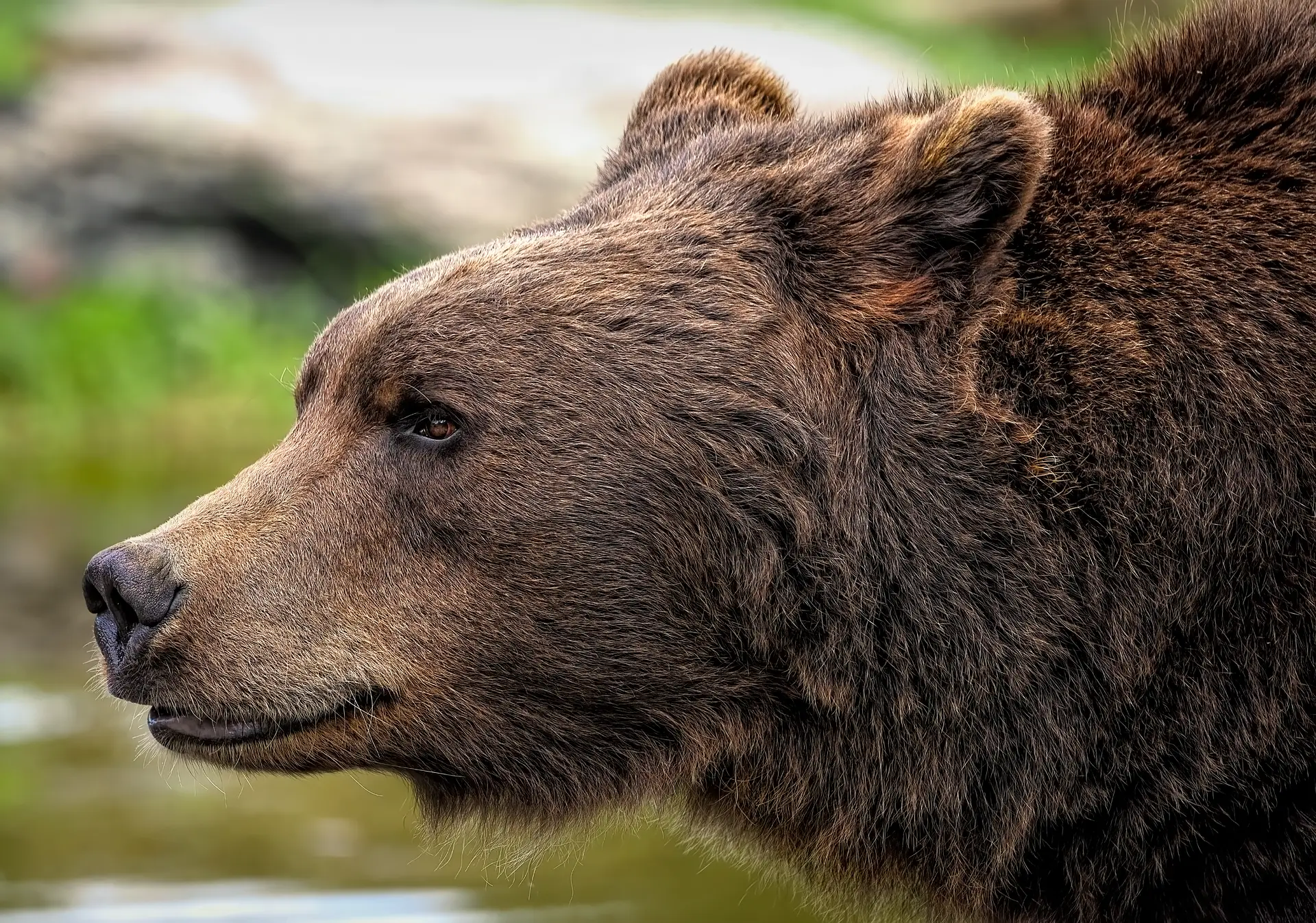
Polar bears (Ursus maritimus) are the largest land carnivores, with adult males weighing 350-700 kilograms (770-1,540 pounds). They are marine mammals, spending most of their lives on sea ice hunting their primary prey: ringed and bearded seals.
Polar bears possess remarkable adaptations for Arctic survival. Dense fur and thick blubber provide insulation against extreme cold. Large, partially webbed paws function as snowshoes on ice and paddles in water. Black skin beneath white fur absorbs heat from sunlight. Their sense of smell is so acute they can detect seals beneath a meter of snow and ice.
Approximately 26,000 polar bears inhabit the Arctic across 19 subpopulations spanning five nations: Canada, Greenland (Denmark), Norway, Russia, and the United States (Alaska). Each subpopulation faces unique challenges based on local conditions, but all are affected by climate change.
The Climate Change Crisis
Climate change represents the greatest threat to polar bear survival, fundamentally altering their habitat and hunting opportunities.
Sea Ice Loss
The Arctic is warming twice as fast as the global average—a phenomenon called Arctic amplification. This warming causes dramatic sea ice loss, with summer sea ice extent declining approximately 13% per decade since satellite monitoring began in 1979.
Sea ice forms the platform from which polar bears hunt seals. As ice melts earlier in spring and forms later in fall, the ice-free season lengthens, forcing bears to fast longer. Some regions now experience ice-free periods exceeding five months—double the historical duration.
Projections suggest the Arctic could experience ice-free summers by mid-century if greenhouse gas emissions continue at current rates. This would be catastrophic for polar bears, eliminating their primary hunting platform during the season when they accumulate most of their annual fat reserves.
Hunting Challenges
Polar bears primarily hunt seals at breathing holes or when seals haul out on ice to rest. Without sea ice, these hunting opportunities disappear. Bears forced onto land during summer must rely on stored fat reserves accumulated during spring hunting.
Extended fasting periods cause weight loss, reduced reproductive success, and increased mortality, particularly among cubs and juveniles. Adult females with cubs face especially difficult challenges, as they must maintain milk production while fasting.
Some bears attempt to hunt seals from shore or swim long distances seeking ice, but these strategies are energetically expensive and often unsuccessful. Documented cases of bears swimming over 600 kilometers in search of ice highlight their desperation as habitat disappears.
Reproductive Impacts
Climate change affects polar bear reproduction in multiple ways. Females require sufficient fat reserves to successfully reproduce—they fast for up to eight months during pregnancy and early cub-rearing. Declining body condition due to reduced hunting opportunities leads to lower pregnancy rates, smaller litter sizes, and reduced cub survival.
Cubs are particularly vulnerable to starvation during extended ice-free periods. Research shows declining cub survival rates in populations experiencing the longest ice-free seasons.
Human-Bear Conflicts
As sea ice diminishes, polar bears spend more time on land, increasing encounters with human communities. Bears enter towns searching for food, creating dangerous situations for both bears and people. These conflicts often result in bears being killed in defense of life and property.
Longer ice-free periods also increase bear access to seabird colonies, caribou calving grounds, and other terrestrial food sources. While these foods provide some nutrition, they cannot replace the high-calorie seal blubber that bears require.
Additional Threats
While climate change is the primary threat, polar bears face other challenges that compound climate impacts.
Pollution
Persistent organic pollutants (POPs) and heavy metals accumulate in Arctic food webs, reaching high concentrations in top predators like polar bears. These contaminants affect immune function, reproduction, and development. Mercury levels in polar bears have increased significantly in recent decades.
Oil and gas development in the Arctic poses risks of oil spills that could devastate polar bear populations. Oil contamination destroys fur insulation, leading to hypothermia. Ingested oil causes organ damage and death.
Industrial Development
Arctic resource extraction, including oil, gas, and mineral development, disturbs polar bear habitat and increases human-bear conflicts. Shipping traffic through Arctic waters creates noise pollution, collision risks, and potential for oil spills.
Overharvest
Indigenous peoples have hunted polar bears sustainably for thousands of years, and subsistence hunting continues in many Arctic communities. However, sport hunting and illegal poaching in some regions threaten certain populations. International agreements regulate polar bear hunting, but enforcement varies.
Disease
Climate change may increase disease transmission as bears spend more time on land in closer proximity to other species. Pathogens previously limited by cold temperatures may expand their ranges as the Arctic warms.
Conservation Efforts
Despite serious threats, numerous conservation initiatives work to protect polar bears and their habitat.
International Agreements
The 1973 Agreement on the Conservation of Polar Bears, signed by all five polar bear range states, provides the foundation for international cooperation. This agreement prohibits unregulated hunting, requires management based on sound conservation principles, and promotes research and information exchange.
The Marine Mammal Protection Act (United States) and similar legislation in other countries provide legal protections for polar bears. The U.S. listed polar bears as threatened under the Endangered Species Act in 2008, citing climate change as the primary threat.
Research and Monitoring
Long-term research programs track polar bear populations, health, and behavior, providing data essential for conservation planning. Scientists use various methods including:
- Aerial surveys estimating population sizes
- GPS collar tracking revealing movement patterns and habitat use
- Body condition assessments monitoring health trends
- Genetic studies examining population structure and connectivity
- Climate modeling predicting future habitat availability
This research informs management decisions and helps identify populations most at risk.
Habitat Protection
Protecting critical polar bear habitat is essential for conservation. Key habitats include:
Denning Areas: Pregnant females dig dens in snowdrifts where they give birth and nurse cubs. Protecting denning areas from disturbance is crucial for reproductive success.
Seasonal Concentration Areas: Locations where bears congregate during ice-free periods require protection from human disturbance.
Migration Corridors: Routes bears use traveling between seasonal habitats need protection from development.
Several Arctic regions have established protected areas specifically for polar bear conservation, though coverage remains incomplete.
Reducing Human-Bear Conflicts
Communities throughout the Arctic are implementing strategies to reduce conflicts:
Bear-Proof Infrastructure: Secure garbage storage, electric fencing, and bear-proof food storage reduce attractants.
Early Warning Systems: Radar and camera systems detect approaching bears, allowing communities to take preventive action.
Deterrents: Non-lethal deterrents including noise makers, rubber bullets, and bear dogs discourage bears from entering communities without harming them.
Community Education: Programs teaching residents about bear behavior and safety reduce dangerous encounters.
Polar Bear Patrols: In some communities, patrols monitor for bears and haze them away from settlements.
Climate Change Mitigation
Ultimately, polar bear conservation requires addressing climate change. While other conservation measures can help, they cannot overcome the fundamental problem of disappearing sea ice.
Reducing greenhouse gas emissions is essential for limiting Arctic warming and sea ice loss. International climate agreements like the Paris Agreement aim to limit global temperature increase, though current commitments fall short of what's needed to secure polar bear habitat.
How Individuals Can Help
While polar bear conservation requires large-scale action, individuals can contribute meaningfully.
Reduce Carbon Footprint
The most important action is reducing greenhouse gas emissions contributing to climate change.
Actionable Steps:
- Reduce energy consumption at home
- Choose renewable energy when available
- Drive less, use public transportation, walk, or bike
- Fly less or purchase carbon offsets
- Eat less meat and more plant-based foods
- Support clean energy policies
- Advocate for climate action
Support Conservation Organizations
Numerous organizations work on polar bear conservation through research, advocacy, and on-the-ground protection.
Actionable Steps:
- Donate to reputable polar bear conservation organizations
- Adopt a polar bear through symbolic adoption programs
- Volunteer with conservation groups
- Participate in citizen science projects
Research organizations before donating to ensure funds support effective conservation work.
Sustainable Consumption
Consumer choices influence industries contributing to climate change and Arctic development.
Actionable Steps:
- Reduce consumption overall
- Choose products from companies committed to sustainability
- Avoid products from companies involved in Arctic oil and gas development
- Support businesses taking climate action
Political Advocacy
Policy changes are necessary for meaningful climate action and polar bear protection.
Actionable Steps:
- Contact elected officials supporting climate action and Arctic protection
- Vote for candidates prioritizing environmental conservation
- Support policies limiting Arctic industrial development
- Advocate for stronger climate commitments
- Oppose Arctic oil and gas drilling
Education and Awareness
Spreading awareness about polar bear conservation multiplies impact as informed individuals take action.
Actionable Steps:
- Share information about polar bears and climate change
- Educate friends and family about Arctic conservation
- Support environmental education programs
- Correct misinformation about climate change and polar bears
- Use social media to raise awareness
Responsible Tourism
Arctic tourism can support conservation when conducted responsibly but can harm bears when poorly managed.
Actionable Steps:
- Choose tour operators following polar bear viewing guidelines
- Maintain appropriate distances from bears
- Never feed or approach bears
- Support community-based tourism benefiting local people
- Minimize your environmental impact when visiting the Arctic
Success Stories and Hope
Despite dire predictions, conservation efforts have achieved successes demonstrating that protection works.
Some polar bear populations remain stable or have increased due to hunting regulations and habitat protection. The Southern Beaufort Sea population, while declining, has been extensively studied, providing valuable data for conservation planning.
International cooperation on polar bear conservation has strengthened, with range states collaborating on research and management. Indigenous knowledge is increasingly incorporated into conservation planning, combining traditional wisdom with scientific research.
Technological advances enable better monitoring and protection. Satellite tracking reveals previously unknown aspects of polar bear ecology. Genetic tools identify population structure and connectivity. Improved climate models provide better predictions of future conditions.
The Path Forward
Polar bear conservation in 2026 stands at a critical juncture. Climate change continues transforming the Arctic, but the extent of future impacts depends on actions taken now.
Optimistic scenarios where greenhouse gas emissions are rapidly reduced could preserve significant sea ice habitat, allowing polar bear populations to persist. Pessimistic scenarios with continued high emissions would likely result in dramatic population declines and possible extinction of some subpopulations.
The next decade is crucial. Decisions made now about energy systems, land use, and development will determine whether polar bears survive beyond this century. While the challenge is immense, it is not insurmountable.
Conclusion
Polar bears face an uncertain future as climate change transforms their Arctic home. These magnificent predators, perfectly adapted to life on sea ice, cannot adapt quickly enough to keep pace with rapid habitat loss. Without significant action to address climate change, polar bears may disappear from much of their range within decades.
However, polar bear conservation is not hopeless. We possess the knowledge and technology needed to address climate change and protect Arctic habitat. What's required is political will and collective action to implement solutions.
Polar bears serve as indicators of Arctic ecosystem health and symbols of climate change impacts on wildlife. Their fate reflects broader environmental challenges facing our planet. By protecting polar bears, we protect Arctic ecosystems and take necessary steps to address climate change benefiting all life on Earth.
The question is not whether we can save polar bears—we can. The question is whether we will make the choices necessary to do so. Every action toward reducing emissions, protecting habitat, and supporting conservation contributes to polar bear survival.
Polar bears have survived for hundreds of thousands of years, adapting to ice age cycles and environmental changes. They deserve the opportunity to continue their evolutionary journey. Whether they receive that opportunity depends on choices we make today. The power to protect polar bears—and the Arctic ecosystem they represent—lies in our hands.